
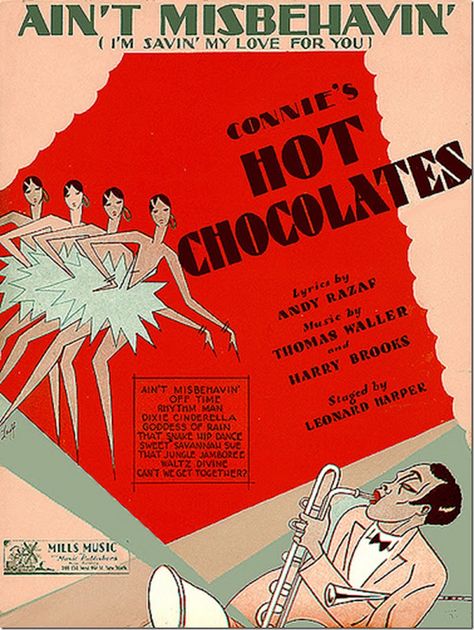
"Ain't Misbehavin'" is a 1929 stride jazz/early swing song. Andy Razaf wrote the lyrics to a score by Thomas "Fats" Waller and Harry Brooks for the Broadway musical comedy play Connie's Hot Chocolates.
Subjects(s): Jazz • Swing

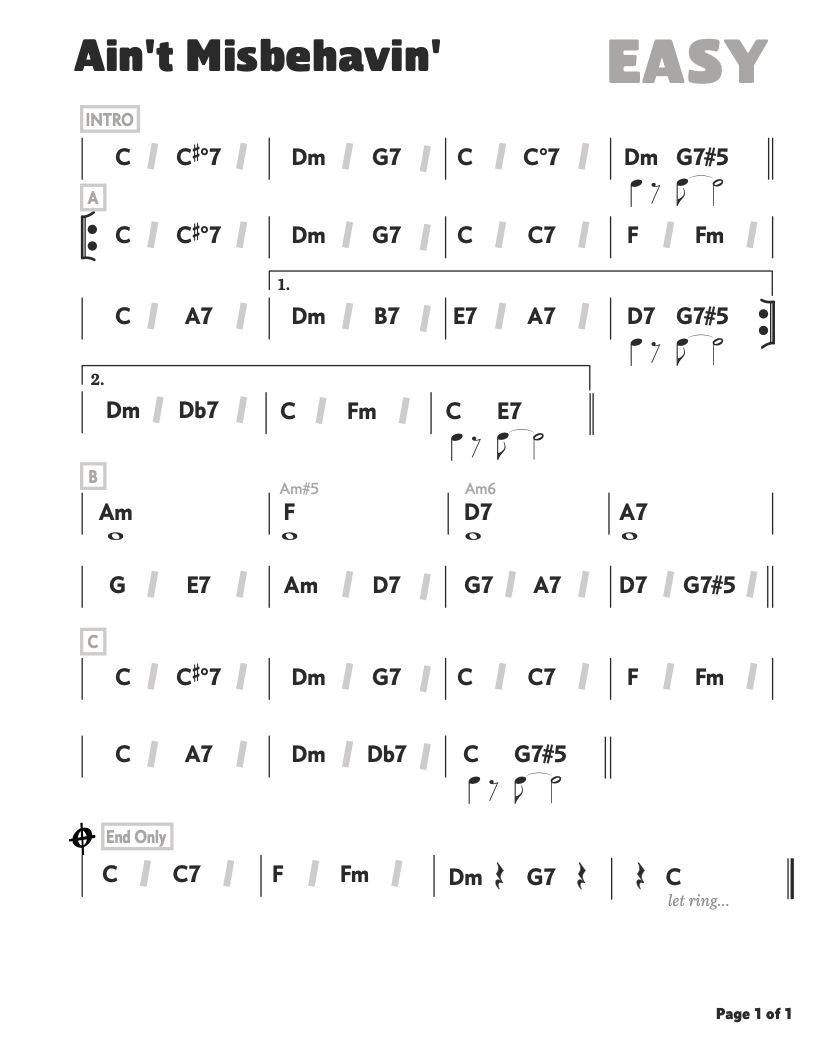
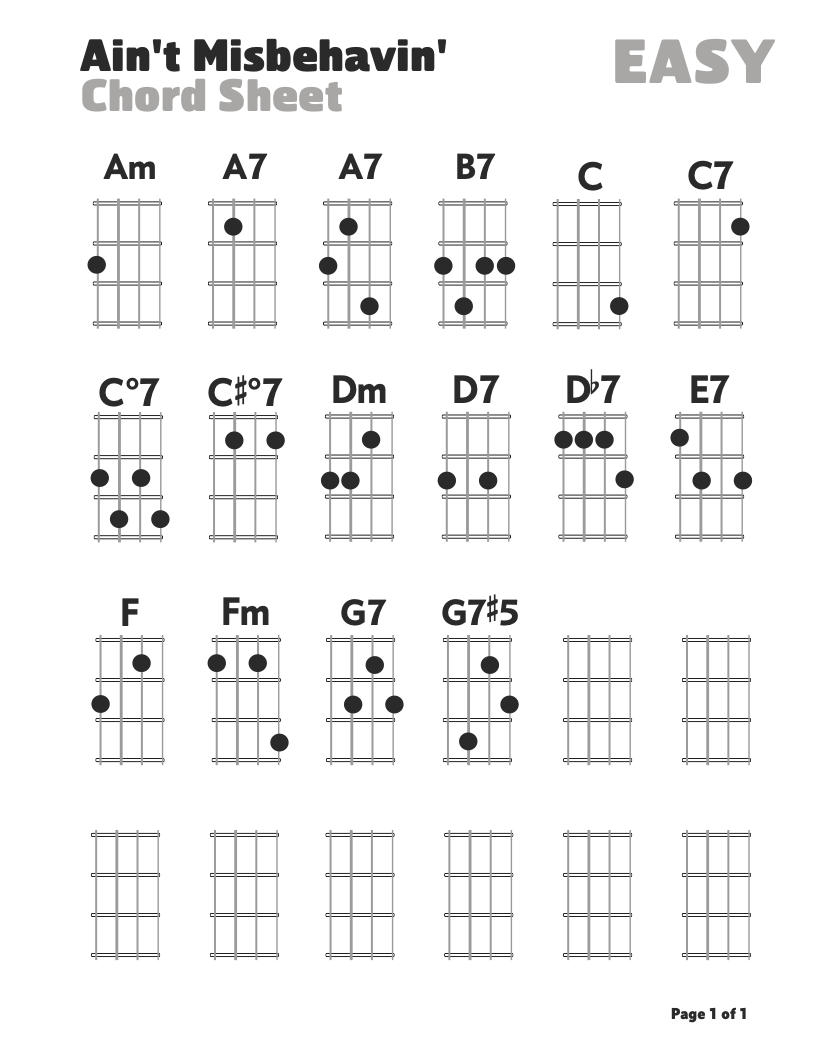
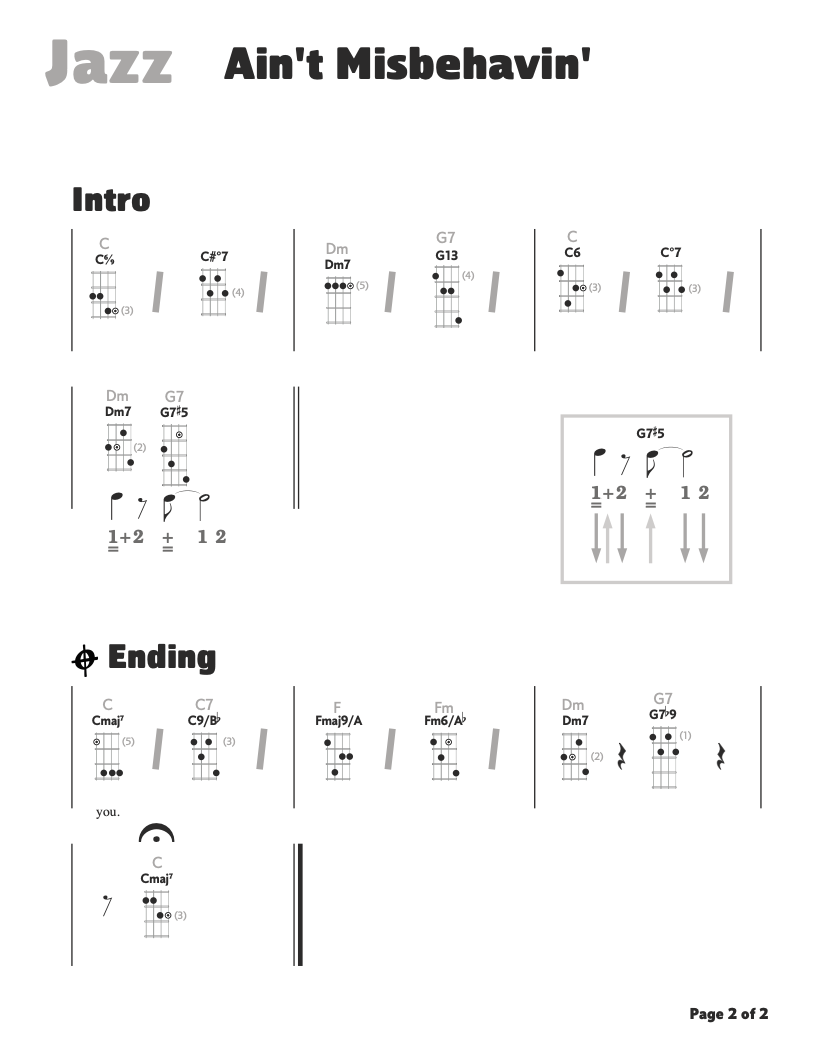
"Ain't Misbehavin'" is a 1929 stride jazz/early swing song. Andy Razaf wrote the lyrics to a score by Thomas "Fats" Waller and Harry Brooks for the Broadway musical comedy play Connie's Hot Chocolates.
Ain't Misbehavin'by Waller himself,
woodsheddingit until he could
play all around it; he cherished it
because it was 'one of those songs you could cut loose and swing with.'
The Daily Ukulele— 365 Songs for Better Living book.
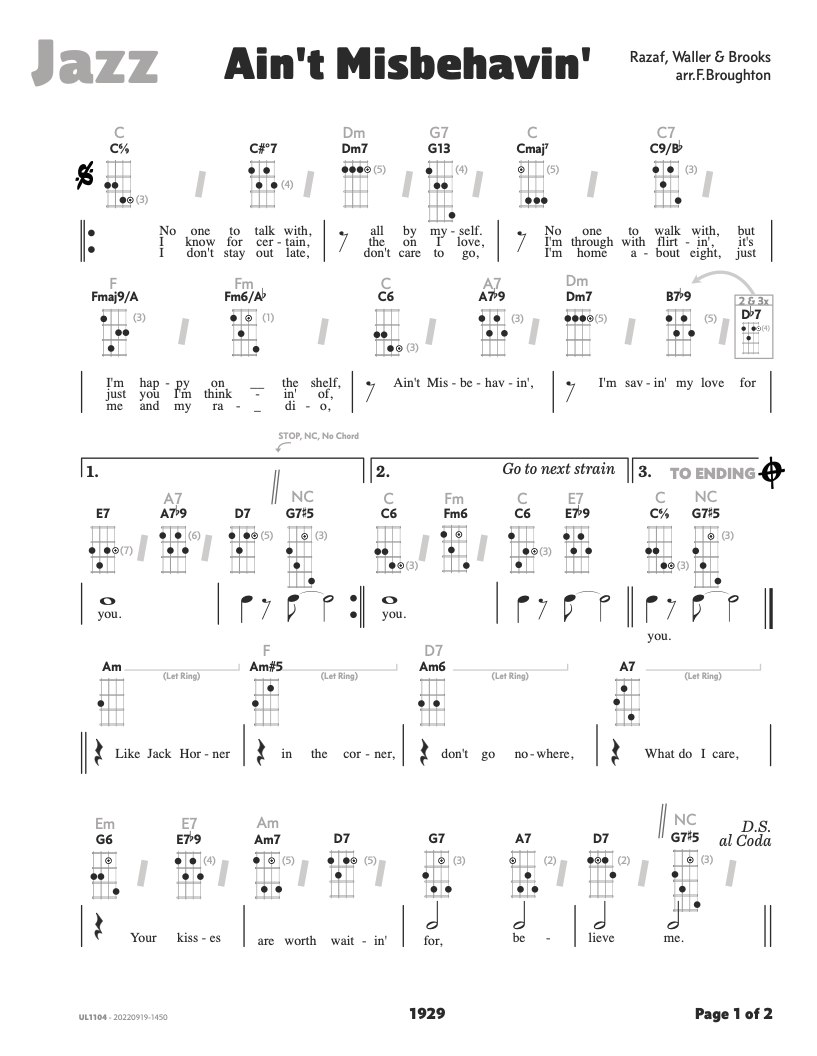
 This arrangement utilizes a richer harmonic palette of 4-part
 Jazzchords . These chords offer one a broader range of possible chord voicings and moving lines within the chords. This is in the style of the era, with a little touch of modern harmony.
compingstyle with the rhythm patterns improvised in the style of the song. Any additional chordal instruments would have to find their part, as they would have no idea of the rhythmic figures and chord voicings that the
mainaccompanist is selecting. Listen to the iRealPro recording and try to guess what the piano is doing rhythmically and chord wise — you would have to perfectly match that. Basically one would need to find the harmonic and rhythmic space that is not being taken already.
Jazzchords version.
compingstyles will work harmonically and rhythmically. Creating the illusion of a well-rehearsed band.
- The C#dim7 is really a disguised Secondary Dominant chord, an A7♭9/C♯, a
V
of
II
. Basically,
A7
to
Dm
in the Key of C Major . More commonly notated as C#dim7, a diminished seventh chord. This chord used for the
Easy
version, as you have a better chance of players giving you the C♯ bass note you want for the C C♯ to D chromatic bass line. Advanced players should have no problem with the A7♭9/C♯ notation and voicing and should give you the C♯. - The Cdim7 is truly a diminished chord.
- Slash Chords — These are the chords like A7♭9/C♯, C7/B♭, Fmaj9/A. The letter after the slash (/) is the bass note you want as the lowest in the chord voicing, typically a bass player will handle this. Any chordal instruments that have the notes available, i.e., piano and guitar, they should play chord voicings with that note as the lowest note in the voicing. On a ukulele with a
high
string four, you can pretty much ignore that and simply play any available voicing that you know. Bonus points to players with alow
string four that play voicings with the notated bass-line/voicings when available on their instrument. - Altered chords — for the altered chords functioning in a dominant harmonic role. I've used 7♭9 substitutions and not ♯9, ♭5, or ♯ 5 alterations as they would tend to clash harmonically with someone playing basic chords that will have a perfect fifth in them. There will still be a little dissonance with the ♭9, but that is what we want in those chords, as they heighten the feeling of resolution to the next chord. To get a ♭9 simply raise the root of the chord one fret or one half-step.
- The
Am
,
Am♯5
,
Am6
chords are the correct names of these chords. You might say,
The F is the same as Am♯5 and the D7 is the same as Am6 .
Again, it's creating a chart where you increase you chances of getting the desired results form chordal instruments as well as any bass player. Often simpler chord names, albeit harmonically and theoretically wrong will get you the results you are looking for.
fancychords. Simply listen or play both versions, and you make the call. They are worth the effort.
- Fats Waller – Ain't Misbehavin • Can't go wrong with the composer — great video.
- Louis Armstrong – Ain't Misbehavin • The master at work.
- Ain’t Misbehavin’ in C Bass Line Play Along Backing Track – MySunnybass • This is a great backing track for learning and practicing against.
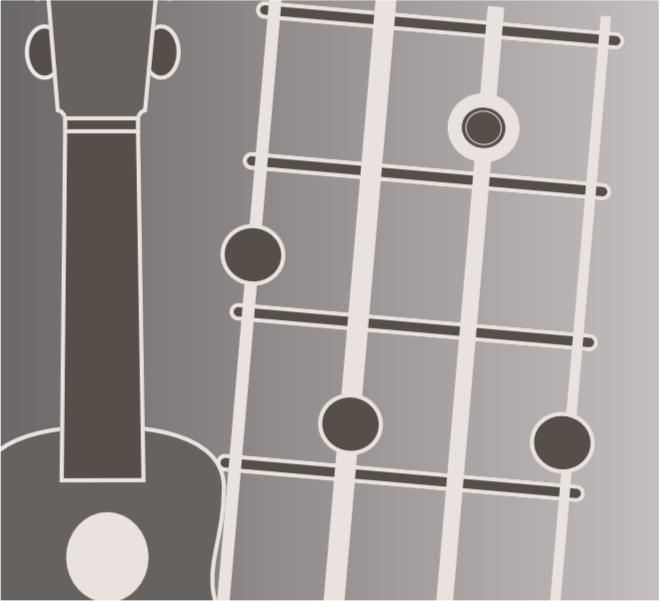
Core Chords for Ukulele, The Big Six - From four F7 chord voicings or shapes, your can build your massive 4-part, a.k.a., “jazz” chord vocabulary. Beyond basic open position chords, basic movable form chords and a core set of 4-part chords. There are just too many chords shapes too memorize.
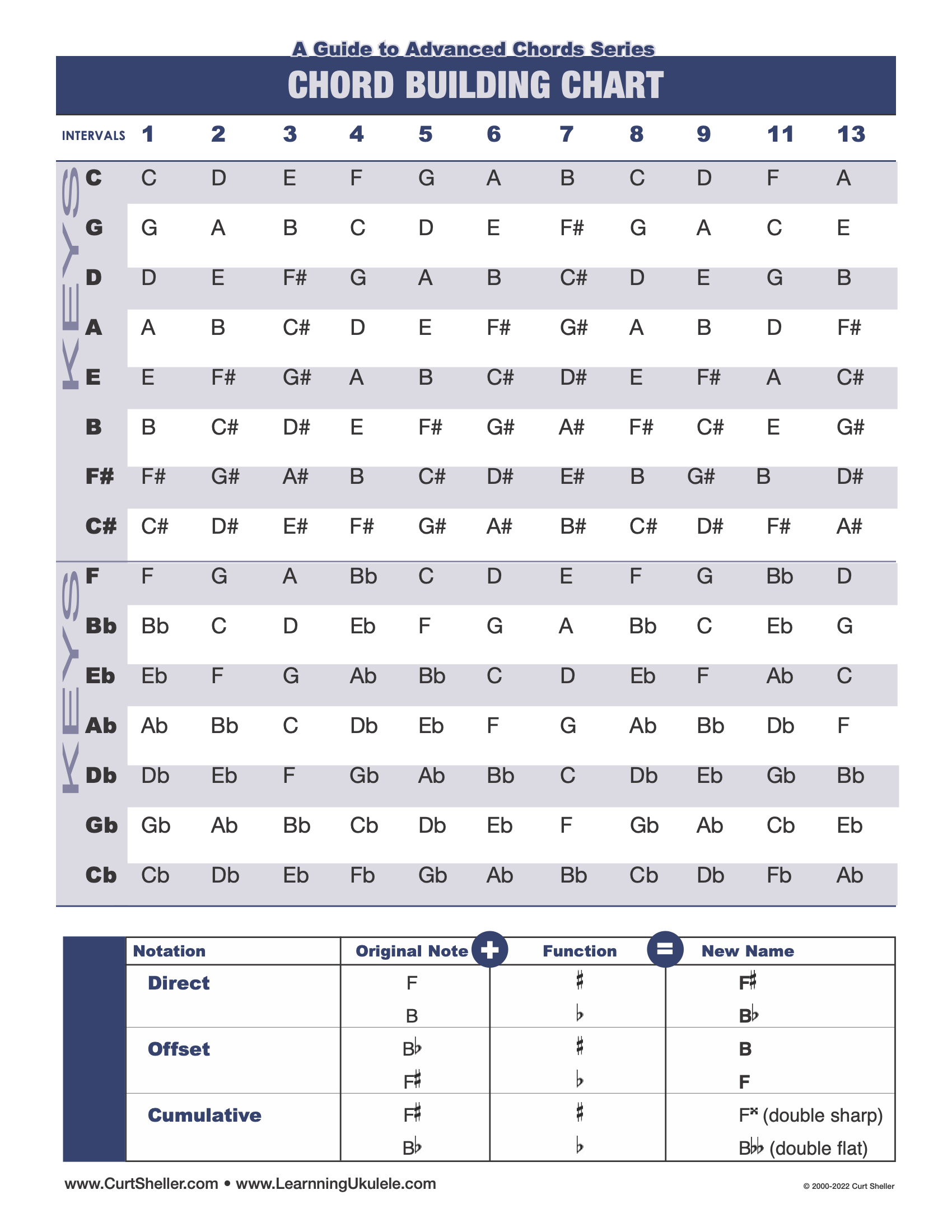
Beyond learning basic Ukulele chords, most players struggle with advanced chords. Commonly called "jazz" chords, these more sophisticated voicings find a wide use in all forms of music. A Guide to Advanced Chords for Ukulele - presents a highly organized and efficient approach to the mysterious subject of advanced chords. Chord dictionaries are not the answer.
Exploring jazz chords using a variety of common chord progressions based on songs from the standard jazz repertoire. Core Chords are the basic set of chords needed to play a wide range of music, in a variety of styles. This set of chords includes basic open position chords, basic movable form chords and the core 4-part "jazz" chords.
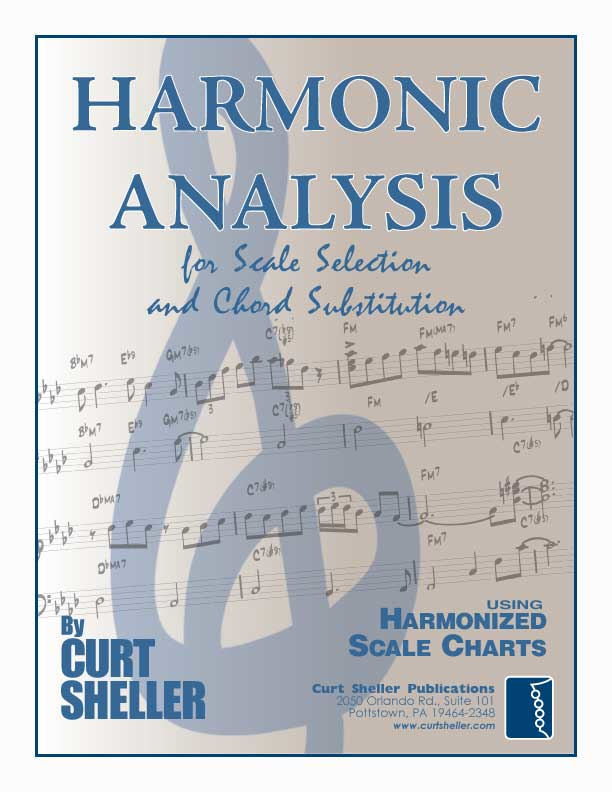
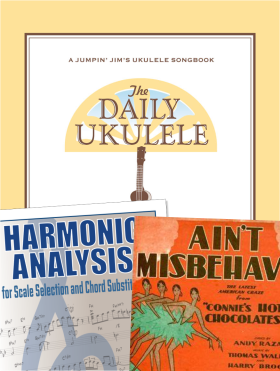
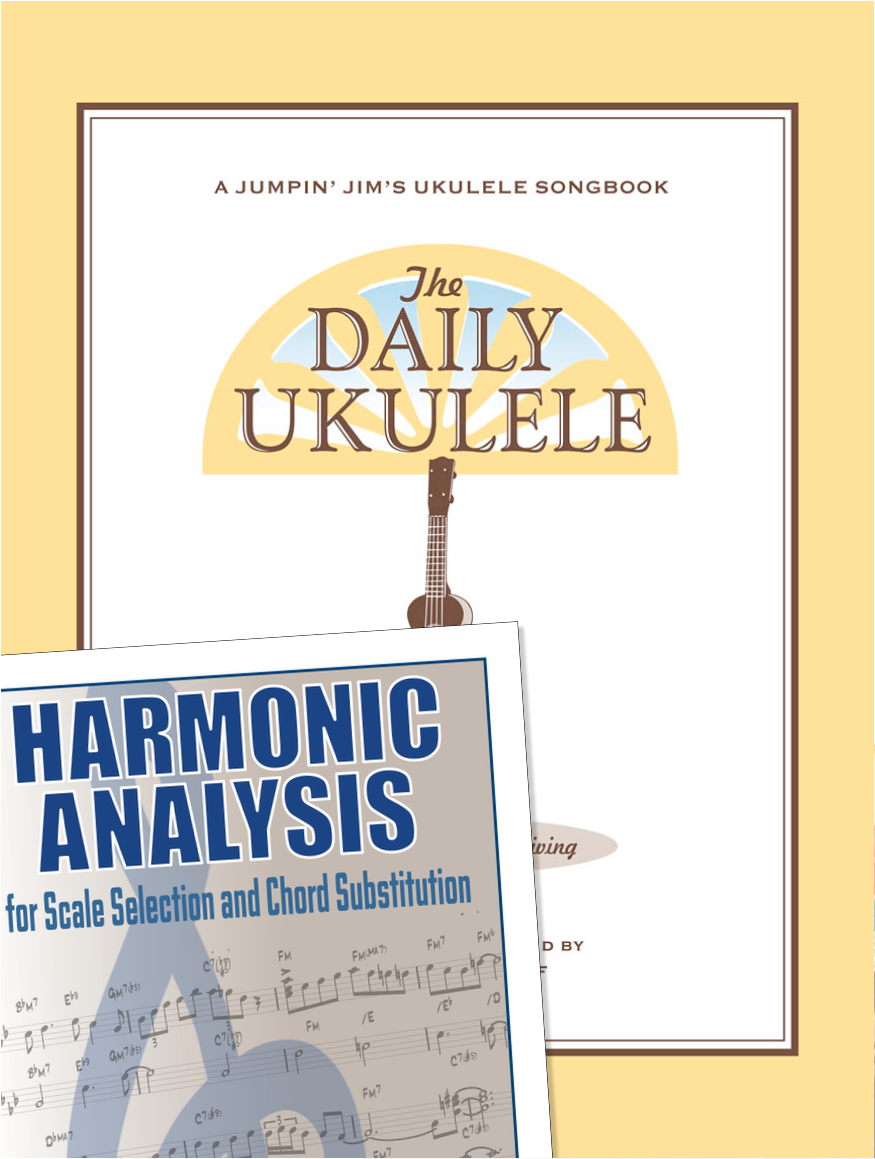
Harmonic Analysis is the understanding of the functional sequence of chords. It is the process used to analyze the harmonic structure of a progression, song or composition. This analysis is then used to make scale selections for improvisation and chord substitution.
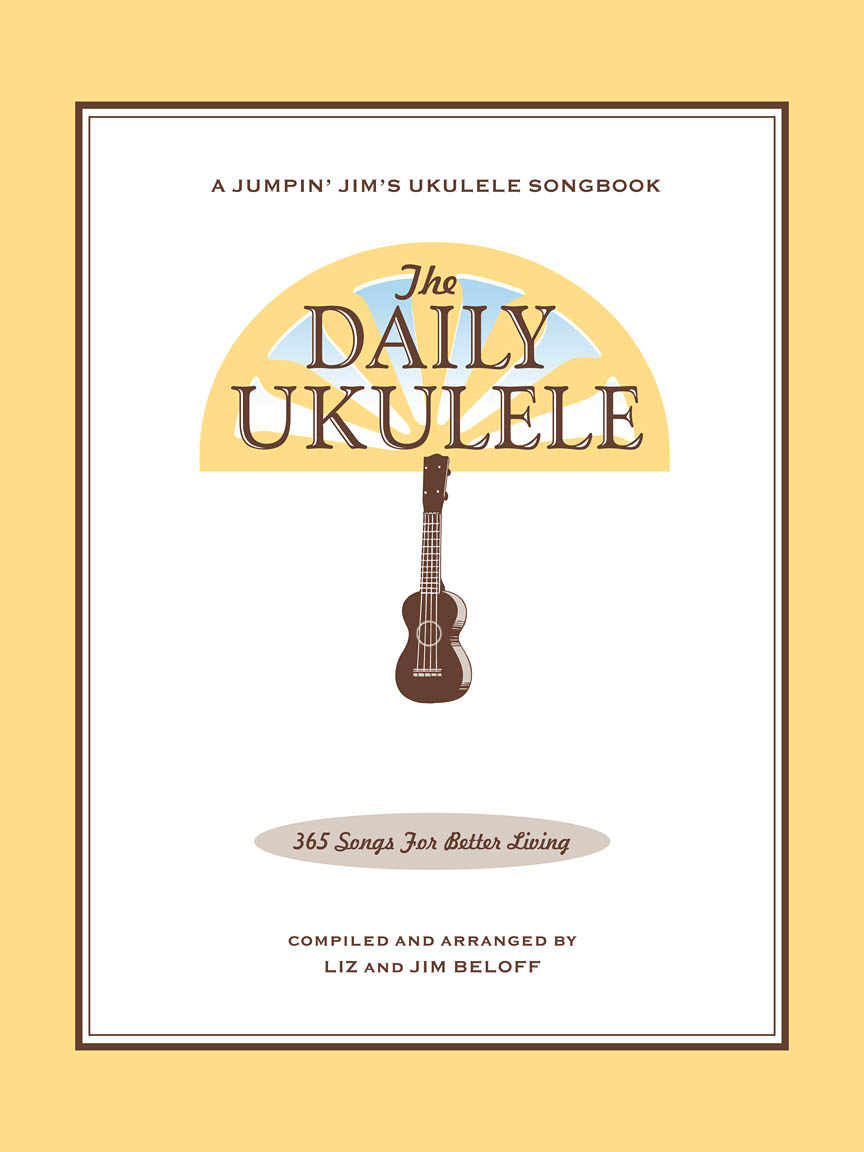
Strum a different song every day with easy arrangements of 365 of your favorite songs in one big songbook! The Daily Ukulele features ukulele arrangements with melody, lyrics and uke chord grids and are in ukulele-friendly keys that are particularly suited for groups of one to one hundred to play and sing.
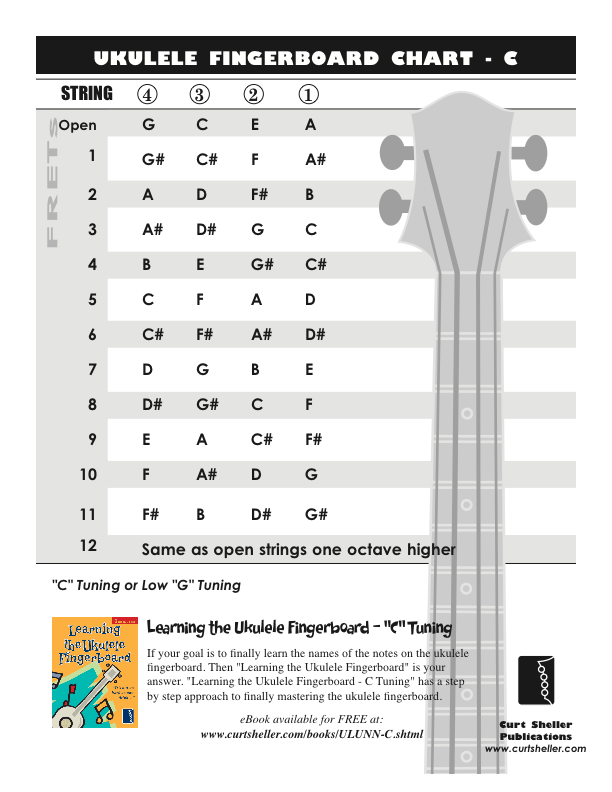
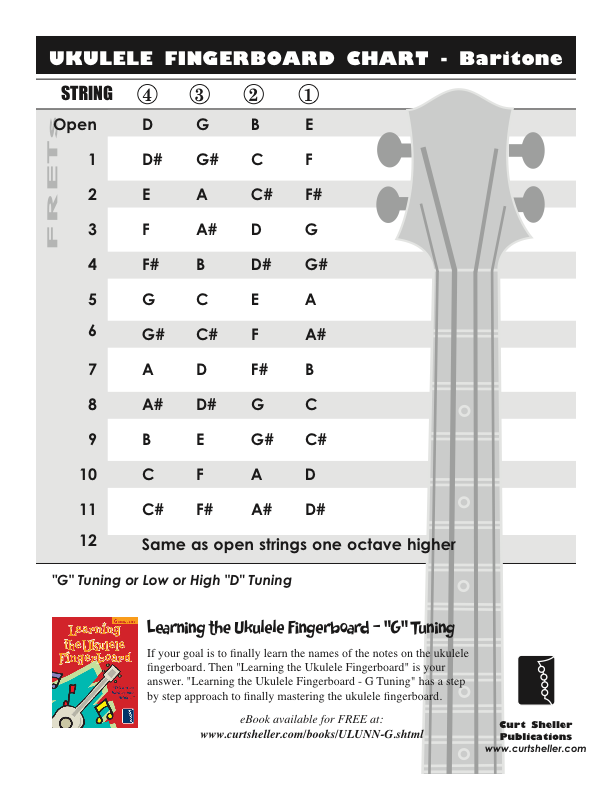
return in your investment)—it is this— learning the
f*ckingnotes of your OWN instrument. Sorry for the tough talks—but it is sooooo true!