
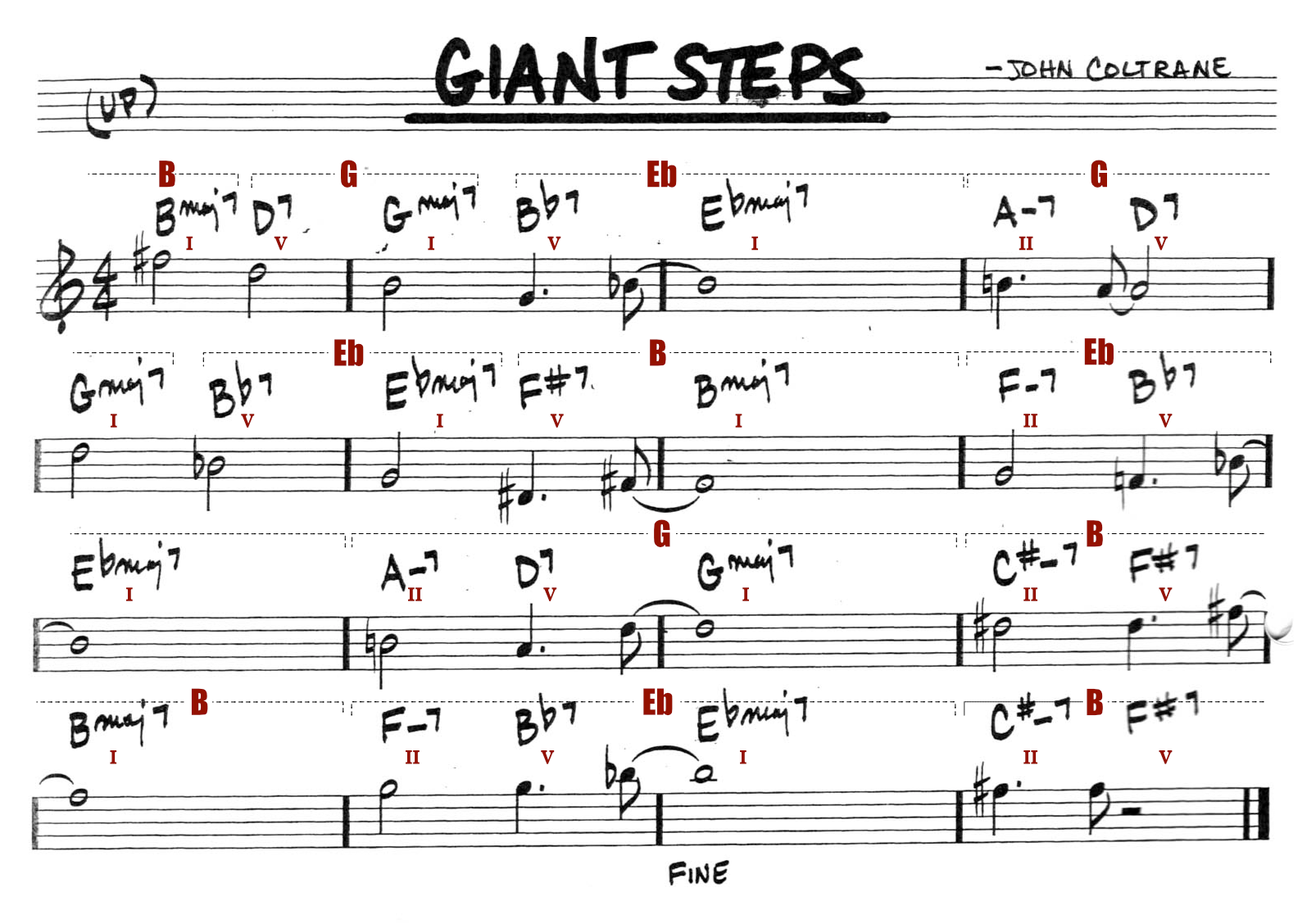
Giant Steps is a jazz composition by John Coltrane, first appearing as the first track on the album of the same name (1960). The composition is a milestone in jazz, given the difficulty of improvising its rapid progression of chord changes that progress through three keys, shifted by major thirds, creating an augmented triad. The song title comes from the relatively giant leaps between the roots of consecutive chords.
Subjects(s): Advanced • Jazz • Repertoire • Bebop


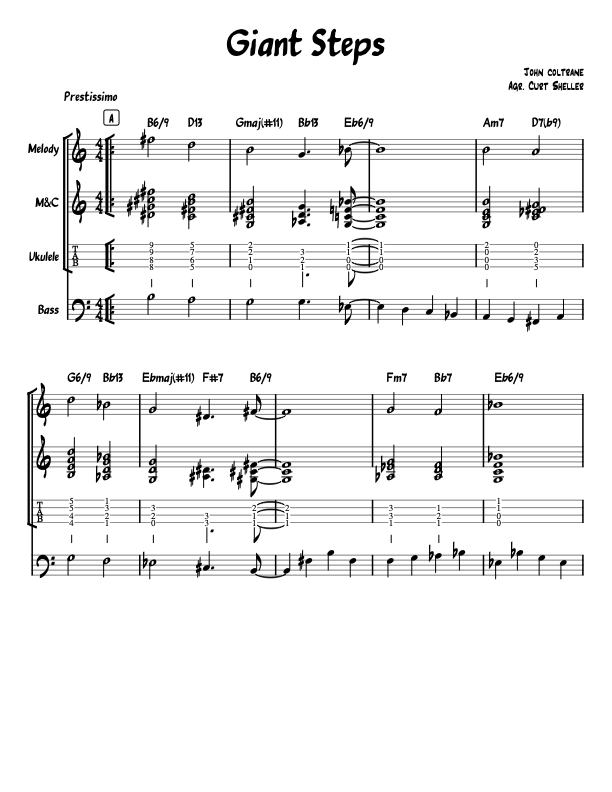
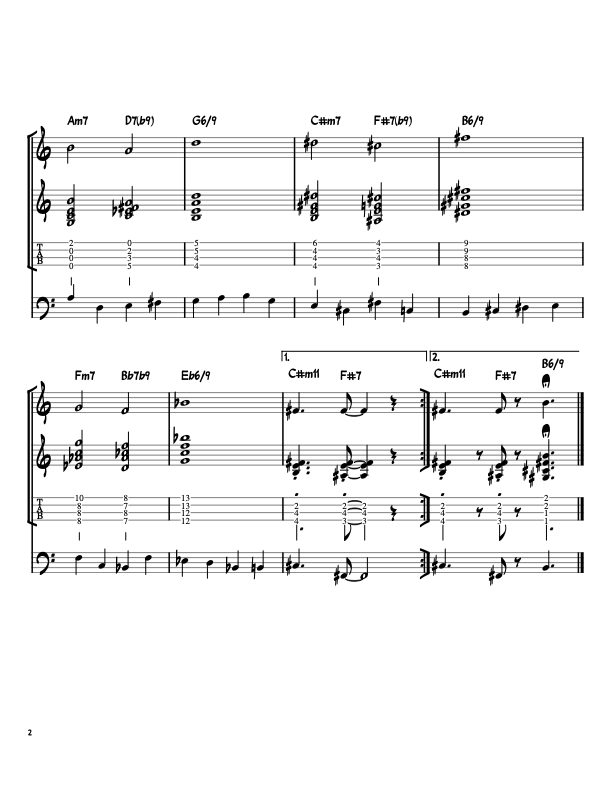
Giant Steps is a jazz composition by John Coltrane, first appearing as the first track on the album of the same name (1960). The composition is a milestone in jazz, given the difficulty of improvising its rapid progression of chord changes that progress through three keys, shifted by major thirds, creating an augmented triad. The song title comes from the relatively giant leaps between the roots of consecutive chords.
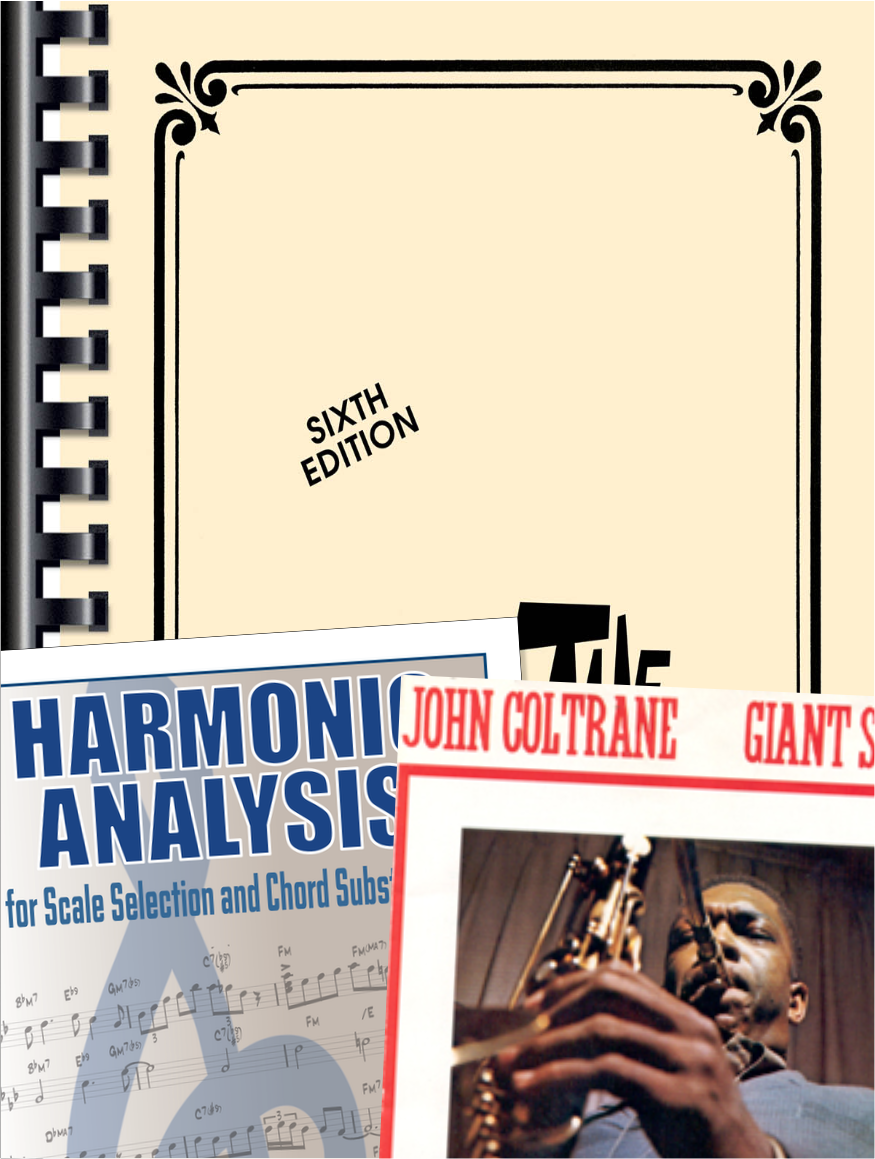
Real Book - Volume 1— Sixth Edition book.
Giant Steps is a song, like a test you know you should have studied for.

MuseScore Resources
Melody
John Coltrane was a big fan of the ukulele and wrote this song on the ukulele. A great song to play on the `uke. OK - maybe he wasn't a fan and or wrote it on `uke, but this is a cool song to attempt on the ukulele.
Video
- John Coltrane
- Piano class: Giant Steps with Barry Harris
- The Most Feared Song In Jazz, Explained
- Soloing On Giant Steps Made Easy! Coltrane Changes Demystified - Rick Beato
- WidipediA: Coltrane Changes

A short version of the John Coltrane classic on a low G, C tuned ukulele. Giant Steps is a jazz composition by American saxophonist John Coltrane. It was first recorded in 1959 and first appeared on the 1960 album entitled Giant Steps. The composition features a cyclic chord pattern that has come to be known as Coltrane changes.
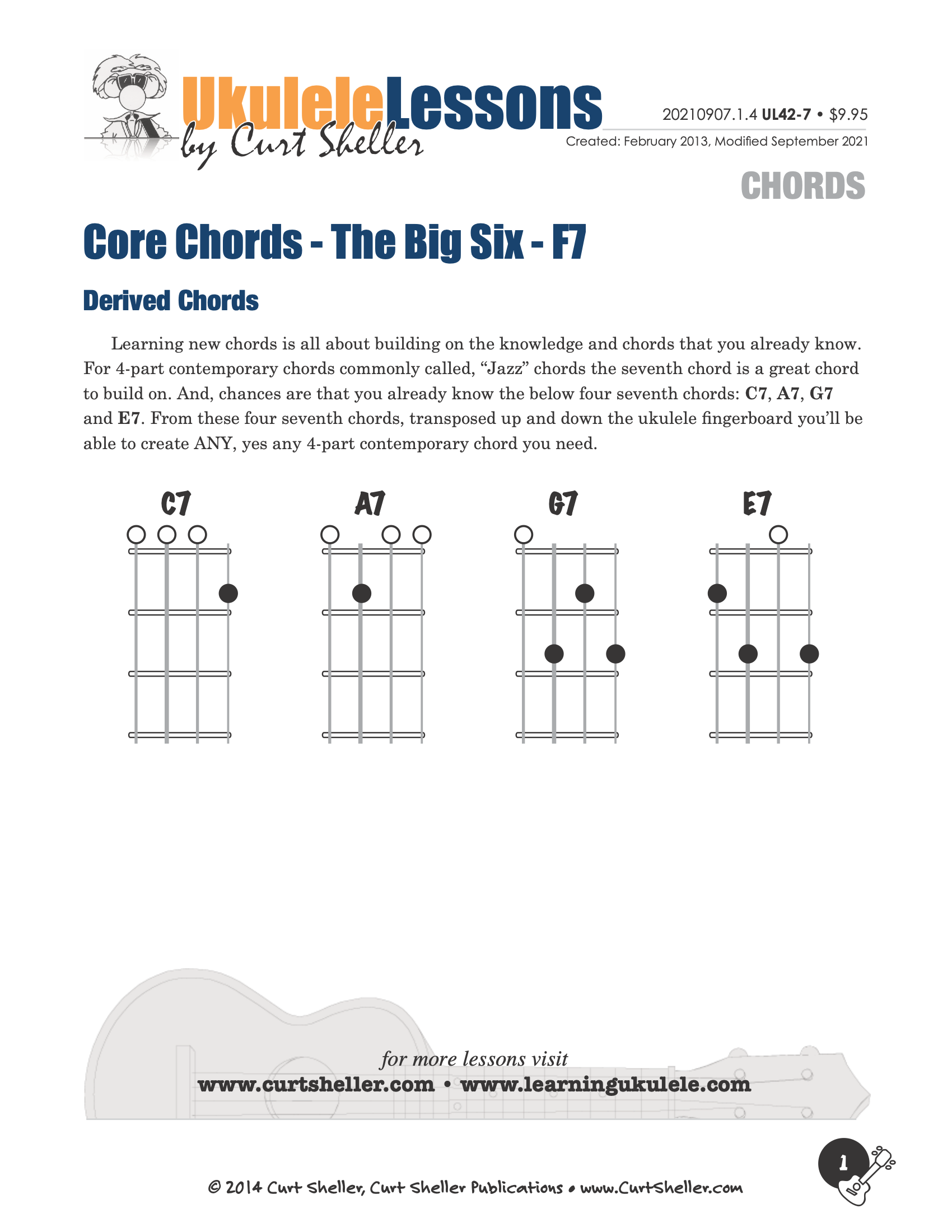
The Big Six Core Chords is a series of lessons for building your core, essential 4-part chords. These chords commonly called jazz chords, are really just 4-part chords used in a wide range of musical styles. These chords include: Seventh , Major Seventh, Minor Seventh, Half Diminished Seventh or Minor Seven Flat Five, Diminished Seventh, and Augmented Seventh. These six chords form a core set of chords.

Core Chords for Ukulele, The Big Six - From four F7 chord voicings or shapes, your can build your massive 4-part, a.k.a., “jazz” chord vocabulary. Beyond basic open position chords, basic movable form chords and a core set of 4-part chords. There are just too many chords shapes too memorize.

Beyond learning basic Ukulele chords, most players struggle with advanced chords. Commonly called "jazz" chords, these more sophisticated voicings find a wide use in all forms of music. A Guide to Advanced Chords for Ukulele - presents a highly organized and efficient approach to the mysterious subject of advanced chords. Chord dictionaries are not the answer.
Exploring jazz chords using a variety of common chord progressions based on songs from the standard jazz repertoire. Core Chords are the basic set of chords needed to play a wide range of music, in a variety of styles. This set of chords includes basic open position chords, basic movable form chords and the core 4-part "jazz" chords.


return in your investment)—it is this— learning the
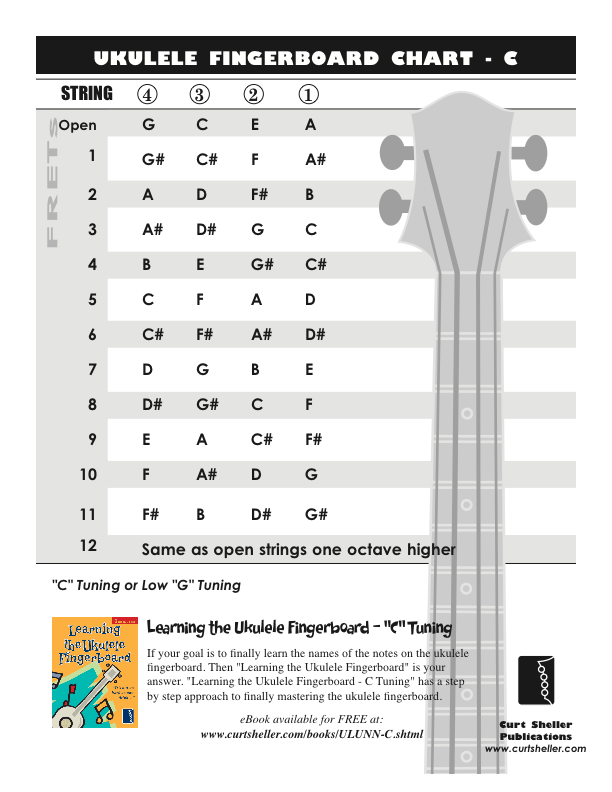
f*ckingnotes of your OWN instrument. Sorry for the tough talks—but it is sooooo true!