Learning Ukulele with Curt

All 976 Lessons

With over 900+ lessons on LearningUkulele.com & Learning Ukulele with Curt, it can be a bit of an overwhelming task to navigate and find what you're looking for. The LessonSERIES section is a good place to start, as it presents a structured approach and curated list of lessons on a specific area of study.

Louis-Martin/Curt-2020-FFUF

29 August 2026

Showing 961–976 of 976 results
UL110

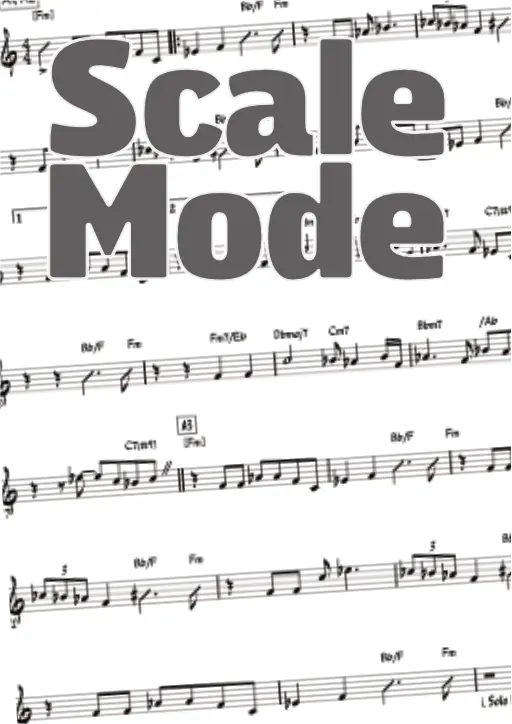
What is the Difference Between a Scale and a Mode?

The terms "scale" and "mode" are often used interchangeably, but strictly speaking, there is a significant difference between them in music theory. Although they may share the same set of notes, a scale and a mode or modal scale are not the same thing. It's important to note that a scale and a mode can contain the same notes.
UL402

What to Practice?

That is the age old question when learning a musical instrument. This lesson explores that foundation needed for various styles of music and what would you need to be successful with each style.

CAL02

What’s Bad About the Internet?

For all the advantages that the Internet offers and there are many of them, it seems to be having one particularly bad effect.

UL32

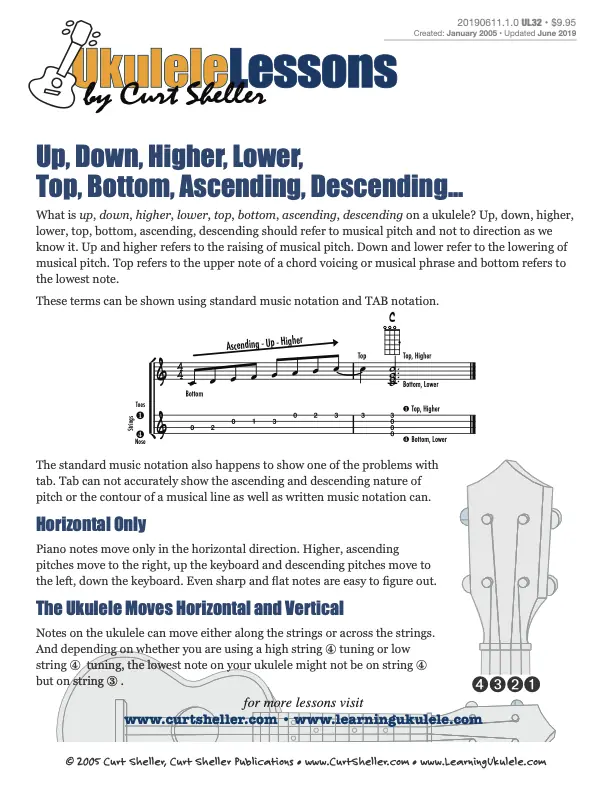
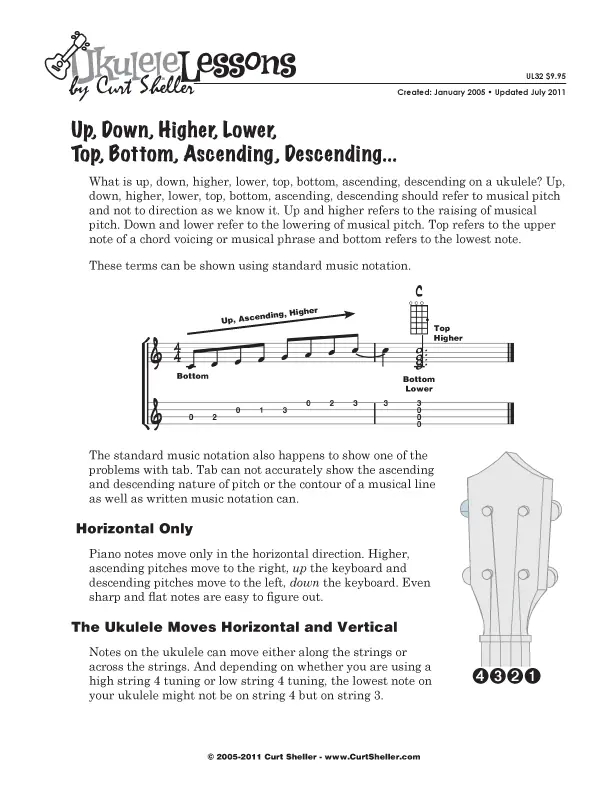
Which Way Is Up? - Up, Down, Ascending, Descending, etc...

Just what is "Up, Down, Ascending, Descending, Higher, Lower, Top, Bottom" as related to music?

GL32

Which Way Is Up? - Up, Down, Ascending, Descending, etc...

What is up, down, higher, lower, top, bottom, ascending, descending on a guitar? Up, down, higher, lower, top, bottom, ascending, descending should refer to musical pitch and not to direction as we know it. Up and higher refers to the raising of musical pitch. Down and lower refer to the lowering of musical pitch. Top refers to the upper note of a chord voicing or musical phrase and bottom refers to the lowest note.
ML-basic-10

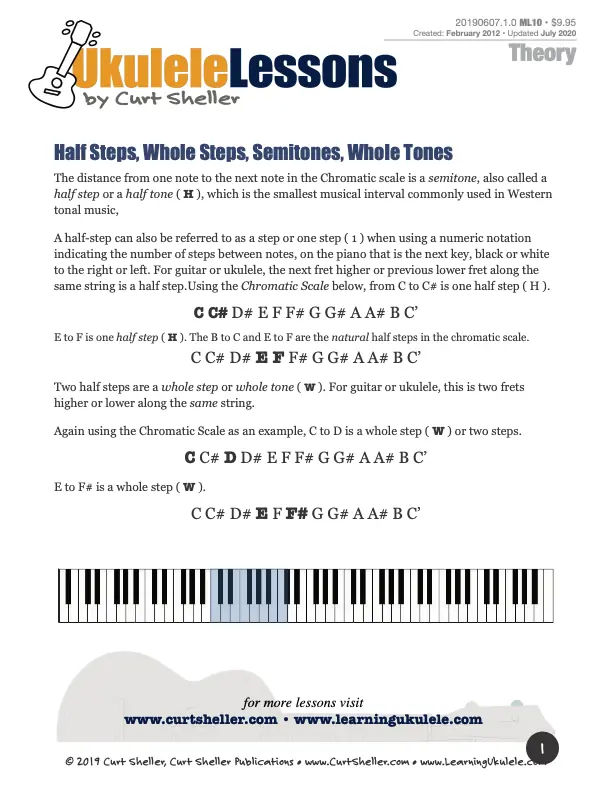
Whole Steps and Half Steps Explained

The distance between any two notes can be defined by steps - half steps, whole steps, semi-tones, whole tones. From this series of steps you can get the names of the notes of ANY of the fifteen major scales.

UL25

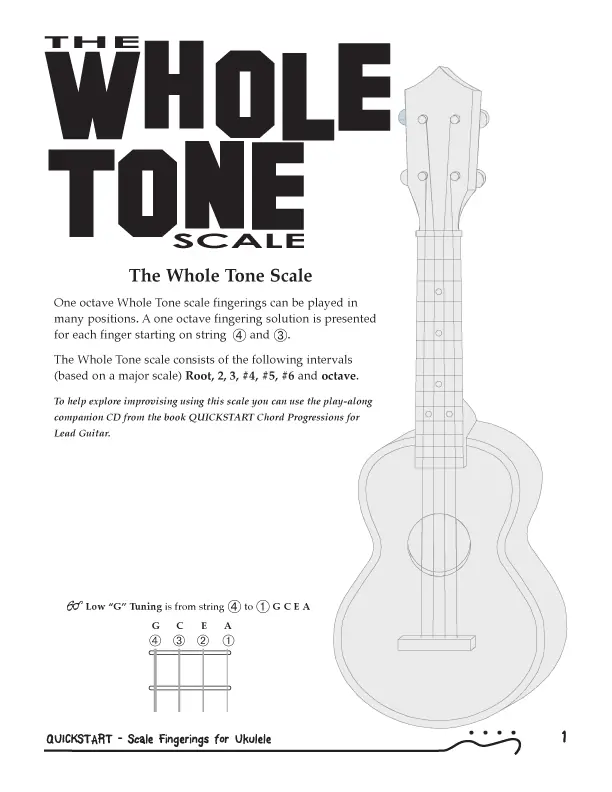
Whole Tone Scale for `Ukulele - C Tuning

The "Whole Tone scale" is a symmetrical scale with an equal distance been each note or scale degree.

ULCAD-END

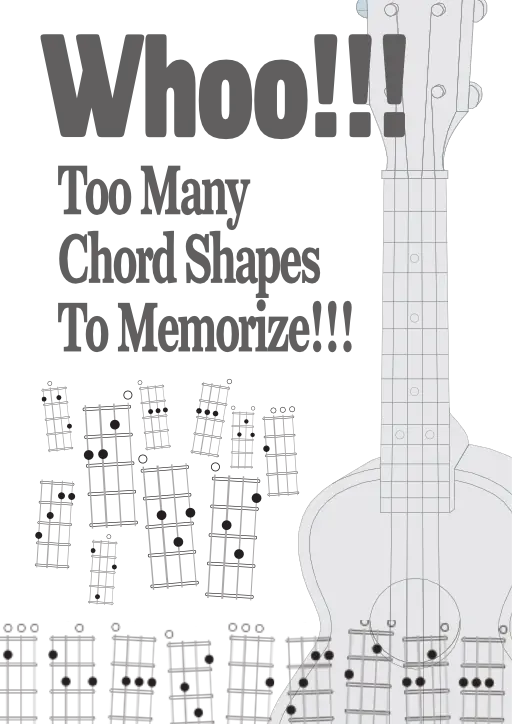
Whoo!!!, Too Many Chord Shapes to Memorize!!!

Too many chord shapes to memorize Hopefully, that is something you might have realized after three months into the Chord a Day saga. There are way too many chord shapes to memorize.

ULHA-YB-270a

Wildwood Flower

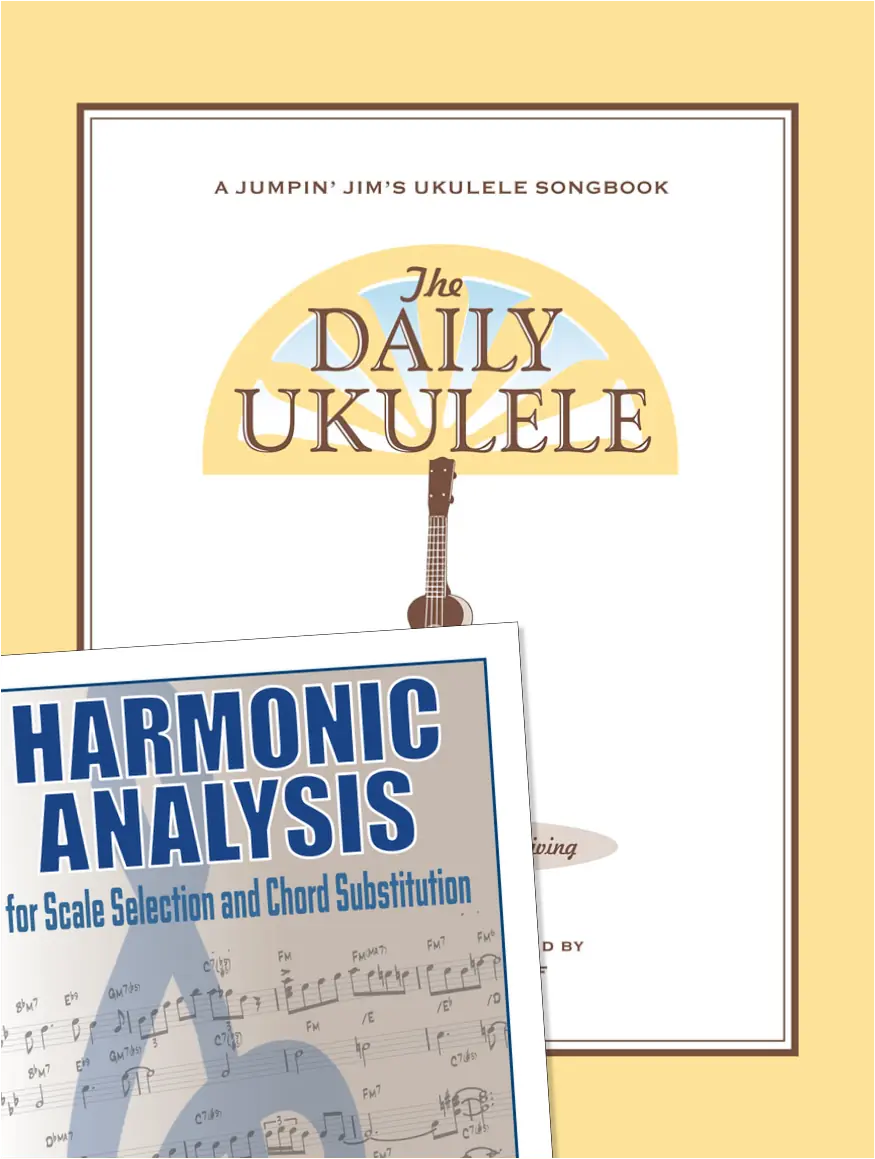
Harmonic Analysis (RMA) Worksheet for the song: Wildwood Flower.

ULHA-YB-CURRENT

Working Song

Harmonic Analysis (RMA) Worksheet for: "TEMPLATE / Working Song" used for local dev when create a new RMA/HA for a song in the Daily Ukulele book.

ULHA-YB-291b

Yankee Doodle Boy

Harmonic Analysis (RMA) Worksheet for the song: "Yankee Doodle Boy".

ULHA-YB-277

Yellow Submarine

Harmonic Analysis (RMA) Worksheet for the song the Beatles classic: Yellow Submarine.

ULHA-YB-279

You Are My Sunshine

Harmonic Analysis (RMA) Worksheet for the song: "You Are My Sunshine".

ULHA-YB-332

You've Got a Friend in Me

Harmonic Analysis (RMA) Worksheet for "You've Got a Friend in Me" by Randy Newman.
UL60

Your First `Ukulele Chord

Your first ukulele chord is typically an open position "C Major Chord." It's only one finger and ukulele players love to show new players this, the easiest, usable ukulele chord for new players. Especially someone coming from guitar where an open position C major is three fingers and not that easy as the first chord.
ULHA-YB-333

Zip-A-Dee-Doo-Dah

Harmonic Analysis (RMA) Worksheet for the song: "Zip-A-Dee-Doo-Dah".

PDF Download Available • Web Content Only

powered by meilisearch An open source, blazingly fast and hyper relevant
search-engine that will improve your search experience.

Non-Searchable, NO-frills, Long List of All Available Lessons