A song by John Lennon from his 1971 album of the same name. The best-selling single of his solo career, the lyrics encourage listeners to imagine a world of peace, beginning with living without religion and its concepts, without economic materialism, and without borders separating nations. Shortly before his death, Lennon said that much of the song's lyrics and content came from his wife, Yoko Ono, and in 2017, she received a co-writing credit.
Subjects(s): Theory • Progressions • Harmony • Analysis • RMA


A song by John Lennon from his 1971 album of the same name. The best-selling single of his solo career, the lyrics encourage listeners to imagine a world of peace, beginning with living without religion and its concepts, without economic materialism, and without borders separating nations. Shortly before his death, Lennon said that much of the song's lyrics and content came from his wife, Yoko Ono, and in 2017, she received a co-writing credit.
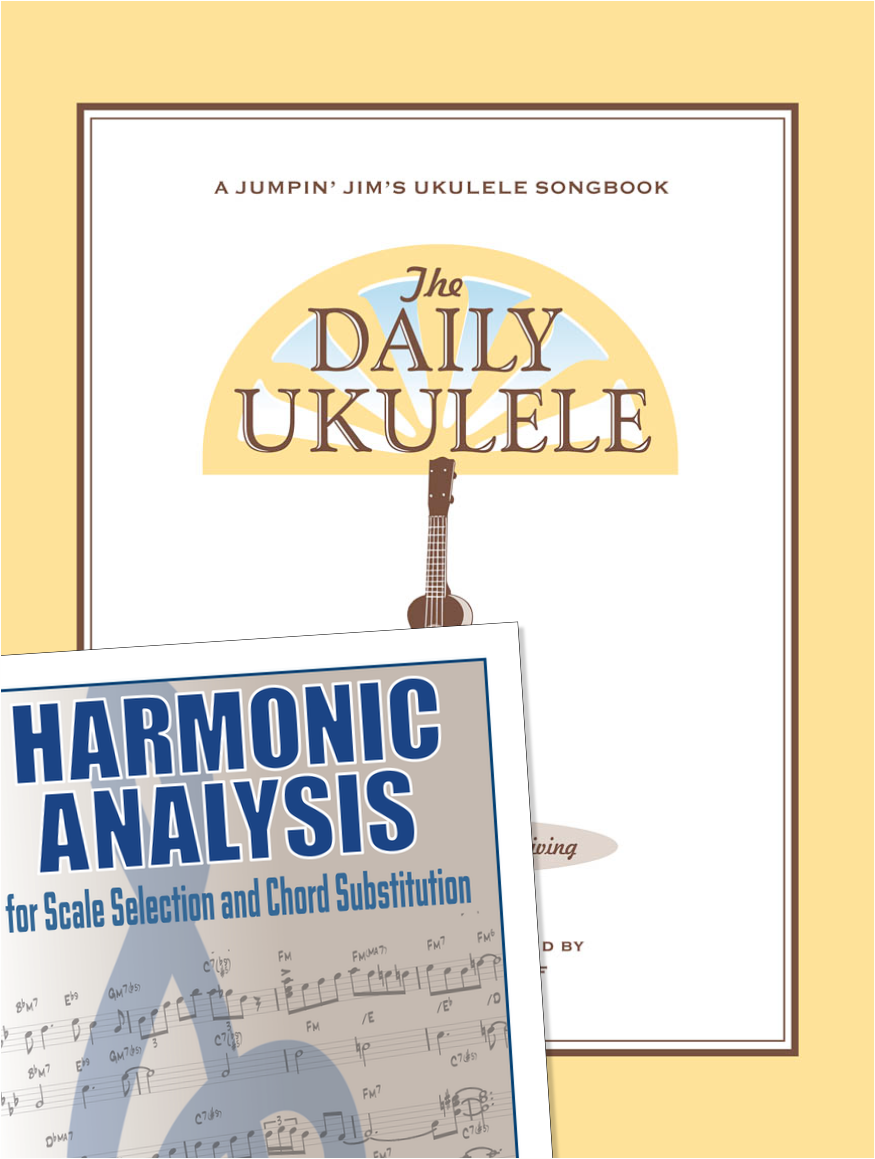
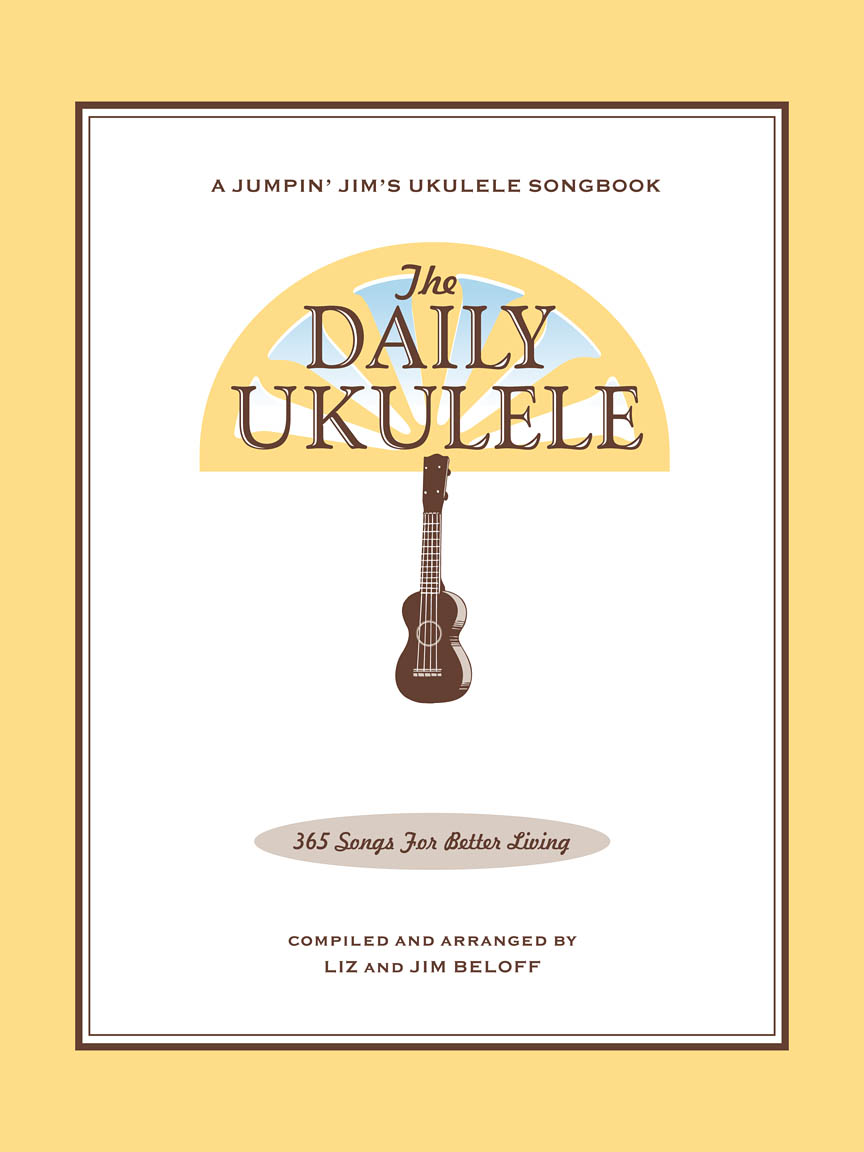
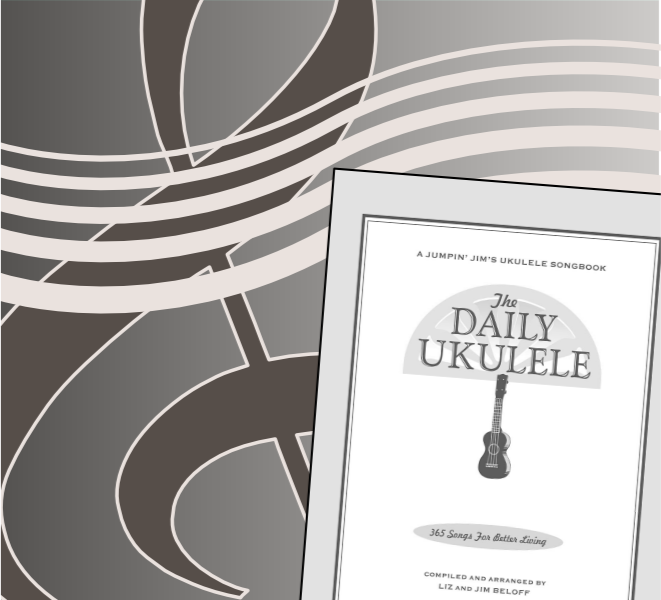
The Daily Ukulele— 365 Songs for Better Living book.
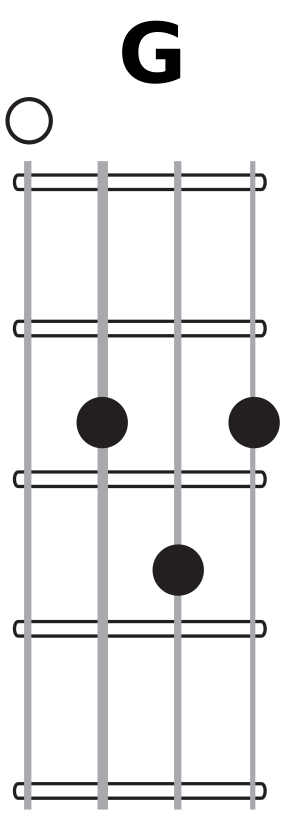
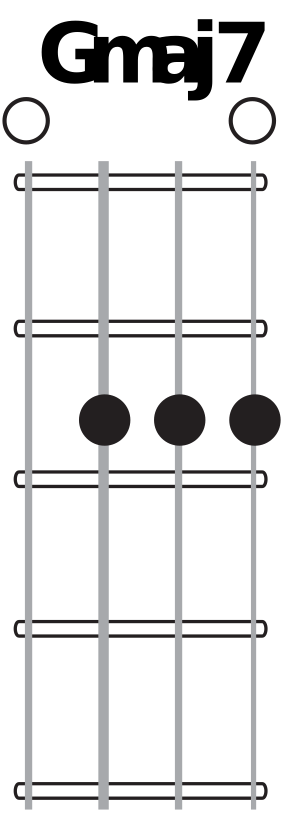
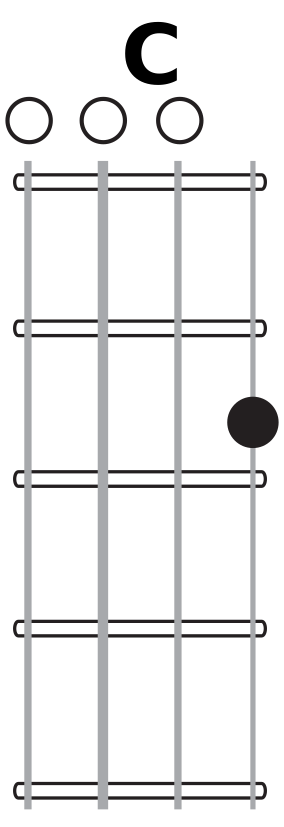
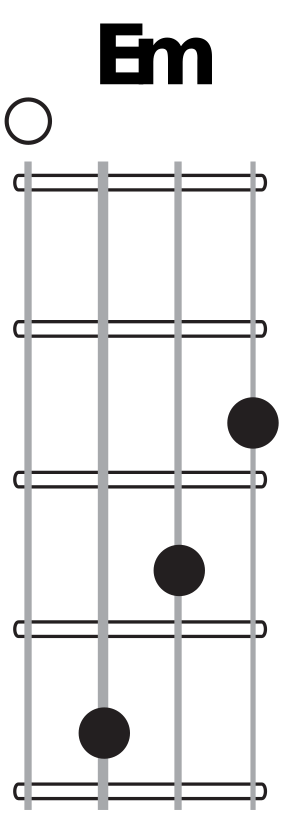
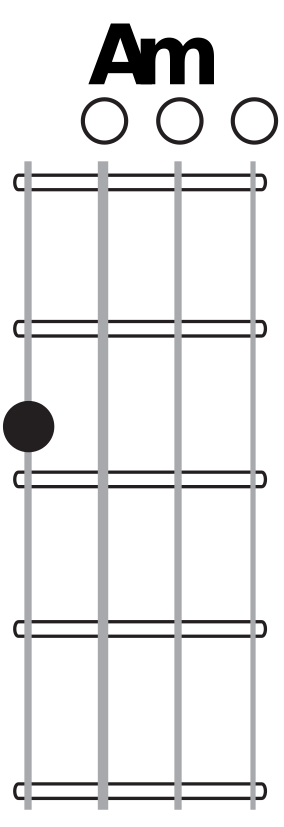
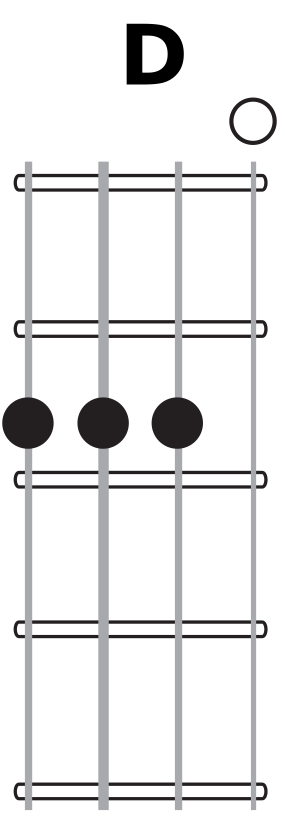
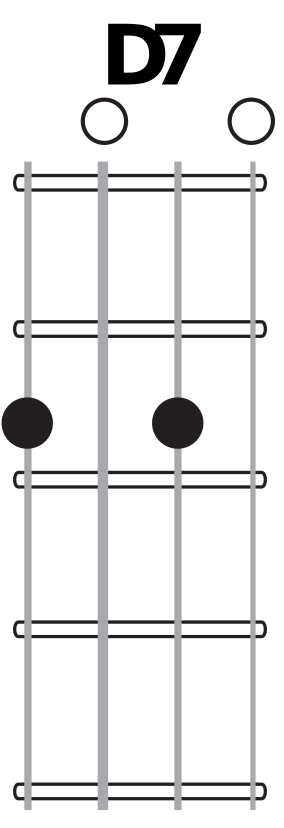
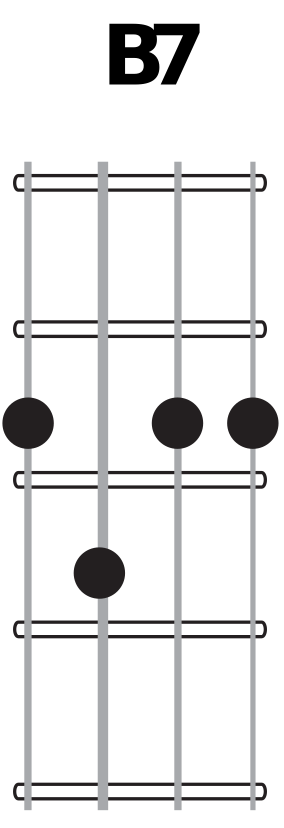
*The Δ is an old-school shorthand notation for major and used here for spacing.
Partial Diatonicis actually more appropriate.
lead leadsheet.Minimal roadmap information such as repeats, fine, D.S., D.C., and codas has been used in preparing the worksheets to somewhat mirror the leadsheet in the Daily Ukulele book.
Yellow Book. You should start to recognize that 1st endings typically always return to a previous verse or an
 section. With a 2nd ending, a transition to a different part of the song, a
  or chorus. Harmonic Principles are used for these repeats and transitions.
- Full Diatonic (Modal)
- Partial Diatonic • Full Diatonic includes Secondary Dominant chords
Nashvillestudios was to save time and money and not have to rewrite a chart for a singer in a different key than the original chart.
- G Major: G A B C D E F♯ G'
- B Mixolydian: B C♯ D♯ E F♯ G♯ A B'
- B Mix +4 or Lydian Dominant: B C♯ D♯ E♯ F♯ G♯ A B'. A bit
jazzier
choice.
Contemporary Scales: Minor Pent: Minor Pentatonic, Pent: Major Pentatonic, Blues,
Scale/Mode Names: Ion: Ionian (Major), Dor: Dorian (Minor), Phrygian: Phrygian, Lyd: Lydian, Mix: Mixolydian (Dominant), Aeol: Aeolian (Natural Minor), Loc: Locrian


Related Lessons, Videos, Lesson Series, Songs, Books & Reference Charts, Resources & Assets, Workshops are below.
Harmonic Analysis ( HA ) is the process used to determine the harmonic function of chords within a chord progression. A chord progression is defined as a sequence of chords, each chord has a root and has a particular chord type. The relationship of a chord's root to a scale determines its function within that scale's tonality. Once a chord's function is identified, scale selections along with chord and scale substitutions can be made. This process is called Root Movement Analysis ( RMA ). This series of lessons are extracted from my book for use with individual private and on-line students. Each lesson directly corresponds the chapters in my book Harmonic Analysis for Scale Selection and Chord Substitution by Curt Sheller (me).

Harmonic Analysis (HA), also known as the study of chord relationships, is the method used to identify the harmonic role of chords within a chord progression or song. A chord progression refers to a sequence of chords, with each chord having a root note and belonging to a specific chord type. The function of a chord within a particular scale's tonality is determined by its relationship to that scale.
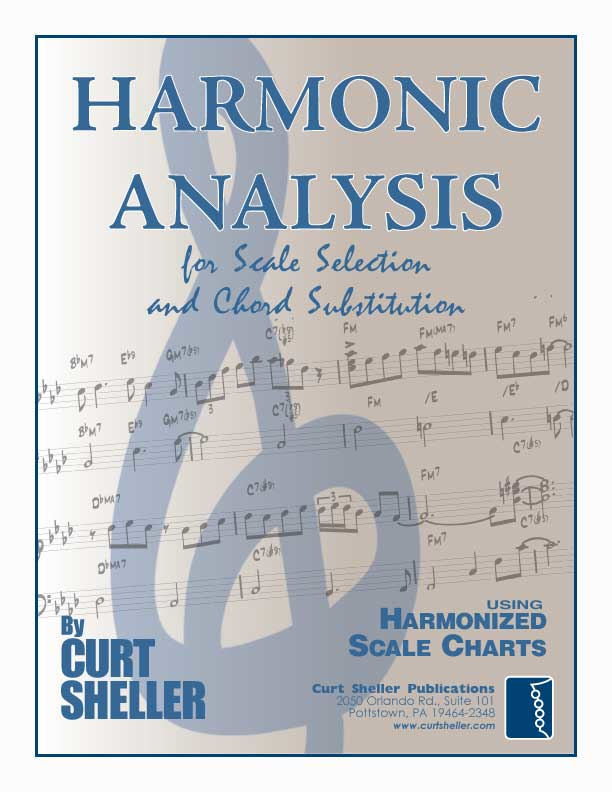
Harmonic Analysis is the understanding of the functional sequence of chords. It is the process used to analyze the harmonic structure of a progression, song or composition. This analysis is then used to make scale selections for improvisation and chord substitution.
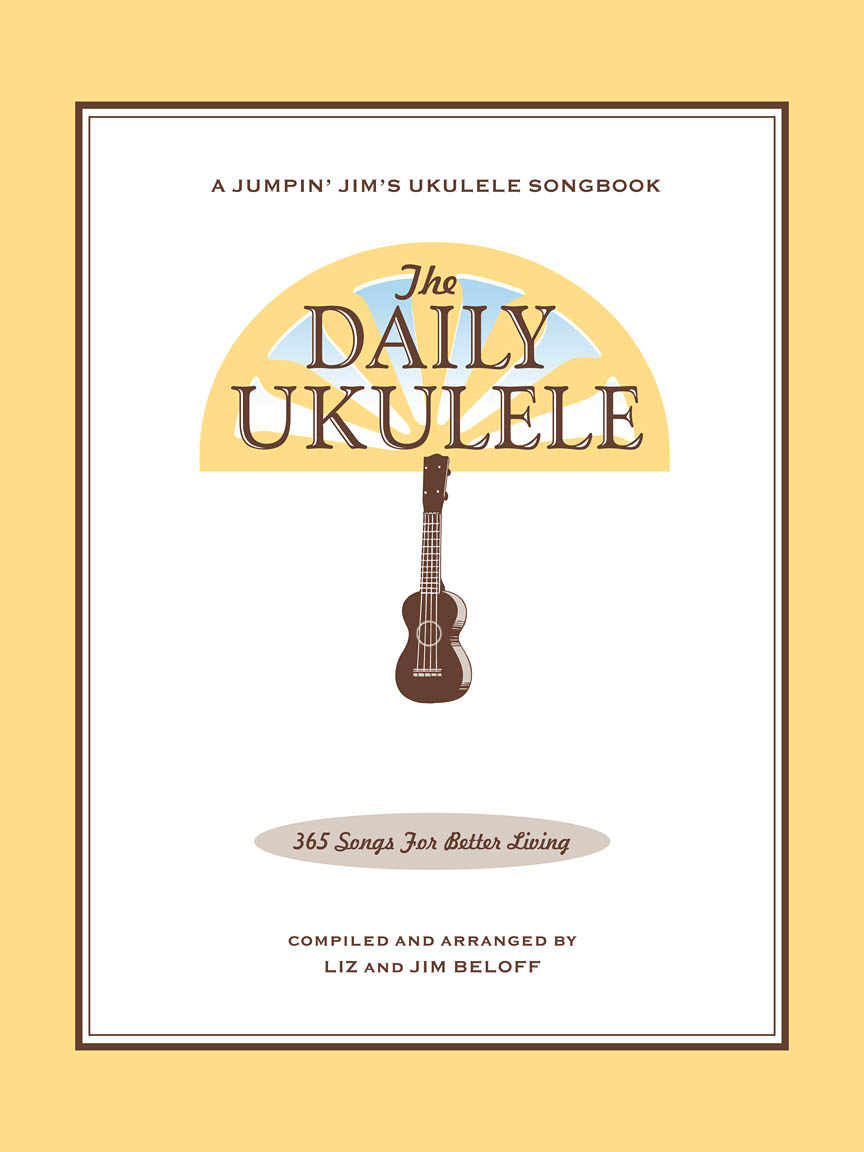
Strum a different song every day with easy arrangements of 365 of your favorite songs in one big songbook! The Daily Ukulele features ukulele arrangements with melody, lyrics and uke chord grids and are in ukulele-friendly keys that are particularly suited for groups of one to one hundred to play and sing.
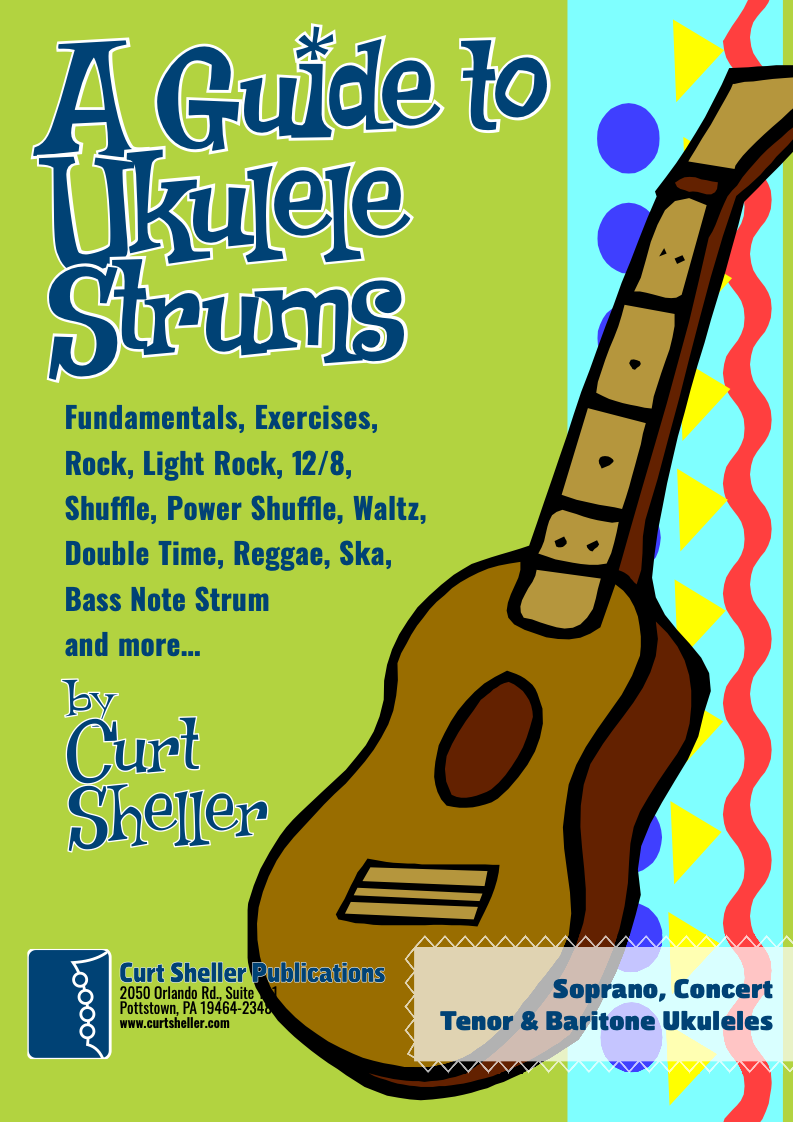
Learn a variety of strums and rhythmic patterns in wide range of musical styles. One of the first skills a ukulele player learns is the art and craft of strumming, playing rhythm. This refers to an accompaniment technique suitable for the singer, singer - songwriter or someone who plays a support role for another instrument.

return in your investment)—it is this— learning the
f*ckingnotes of your OWN instrument. Sorry for the tough talks—but it is sooooo true!