
The six essential scales are: Blues Major Pentatonic Mixolydian Dorian Aeolian and Ionian From the six essential scales, you can get through a wide variety of traditional and contemporary music. A scale is simply a collection of pitches or notes, not really a "this is a Jazz scale", "this is a Blues" or "this is a Rock scale". It's how a scale is used that really matters not its name.
Subjects(s): Beginner • Intermediate • Scales • Quickstart • Advanced • Jazz • Core • Modes


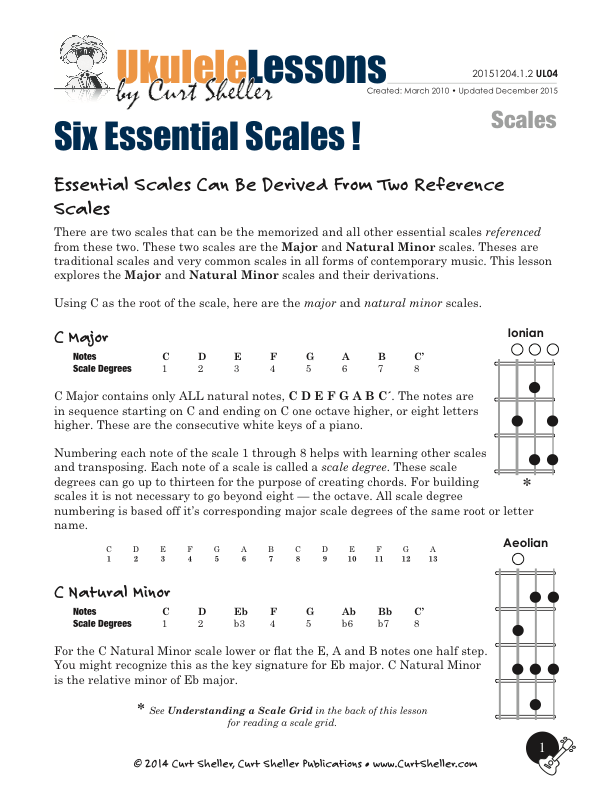
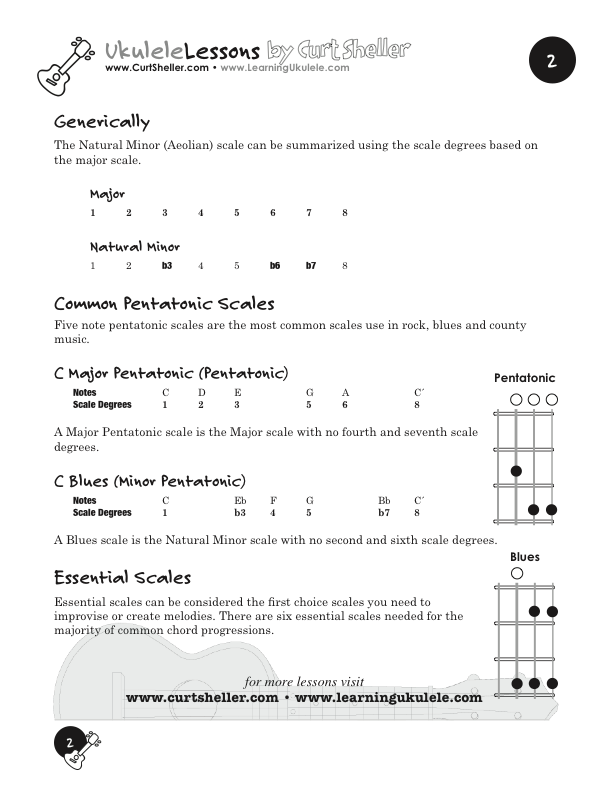
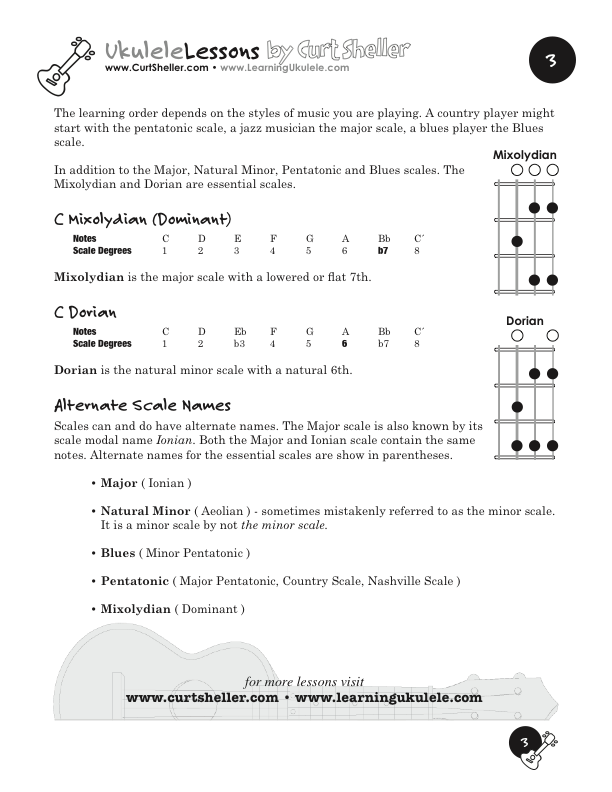
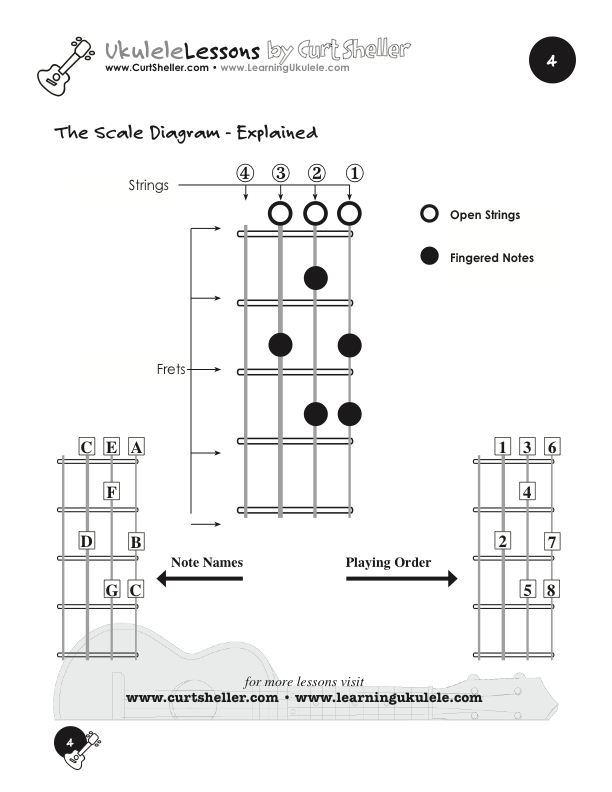
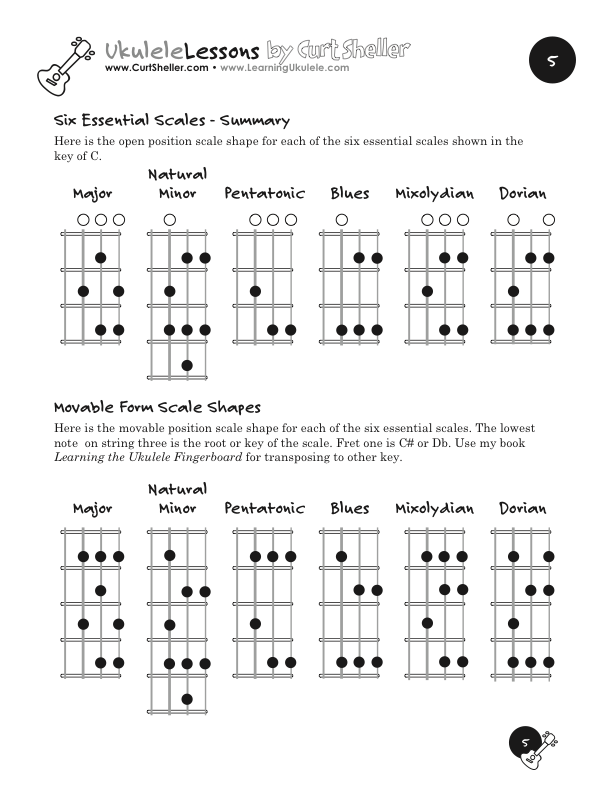
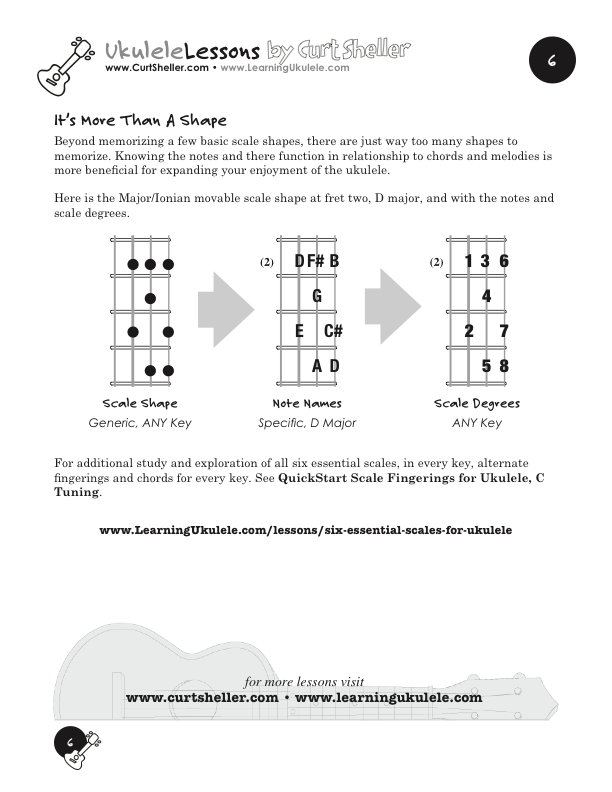
These are six essential scales for ANY instrument, not just the ukulele.
The six essential scales are: Blues, Major Pentatonic, Mixolydian, Dorian, Aeolian, and Ionian. From the six essential scales, you can get through a wide variety of traditional and contemporary music.
Most music starts with a scale. The melody, chords, licks and riffs all can be related back to a particular scale or scales.
Available for Premium Site Access Plans Only
These are six essential scales for ANY instrument, not just the ukulele.
The six essential scales are: Blues, Major Pentatonic, Mixolydian, Dorian, Aeolian, and Ionian. From the six essential scales, you can get through a wide variety of traditional and contemporary music.
Most music starts with a scale. The melody, chords, licks and riffs all can be related back to a particular scale or scales.
Available for Premium Site Access Plans Only
Six Essential Scales for `Ukulele
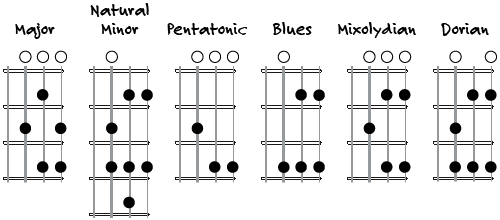

Use the audio to compare the sounds of the individual scales.

Use the audio to compare the sounds of the individual scales.

Use the audio to compare the sounds of the individual scales.

Use the audio to compare the sounds of the individual scales.

Use the audio to compare the sounds of the individual scales.

Use the audio to compare the sounds of the individual scales.
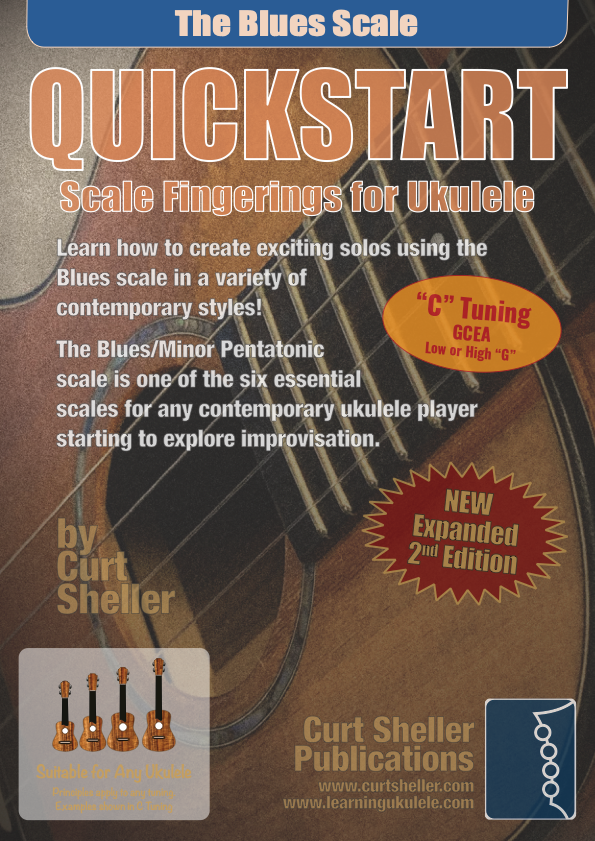
- Blues (Minor Pentatonic)
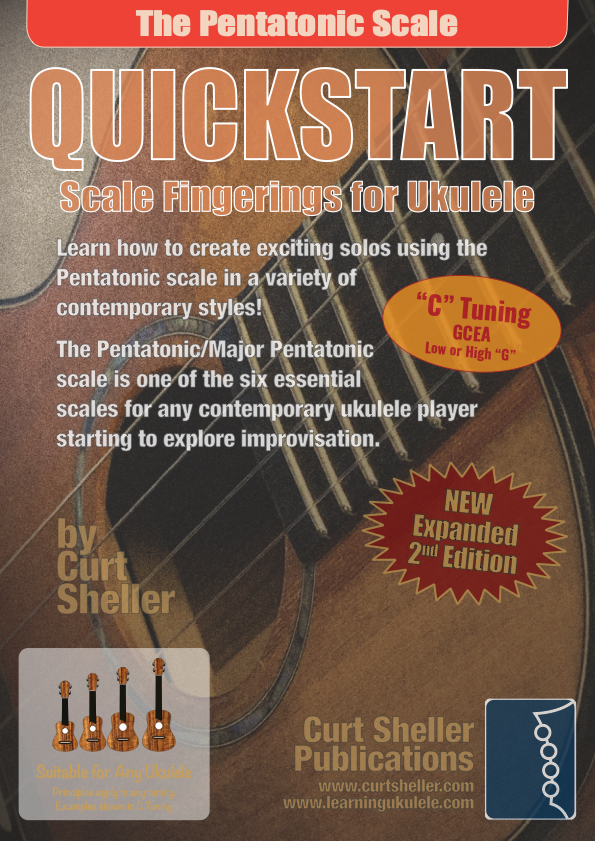
- Pentatonic (Major Pentatonic)
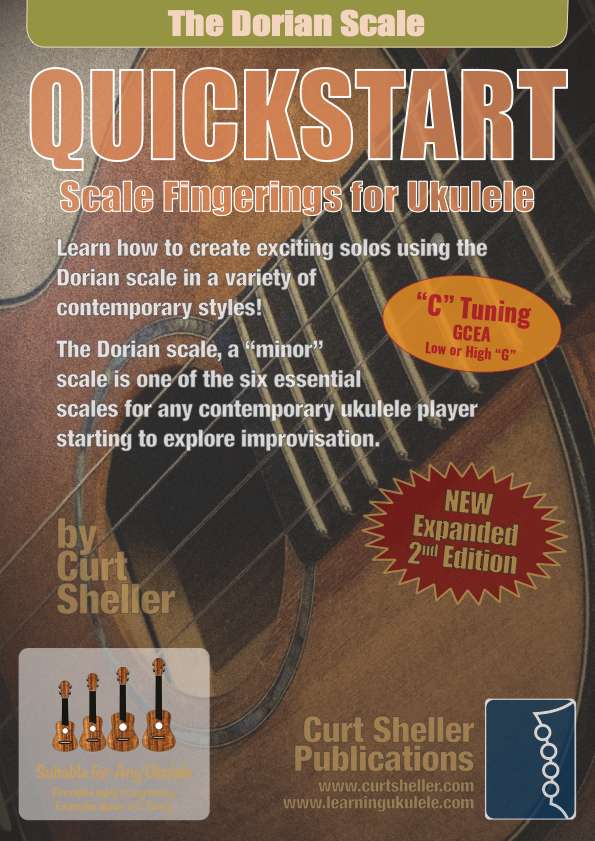
- Dorian (Minor)
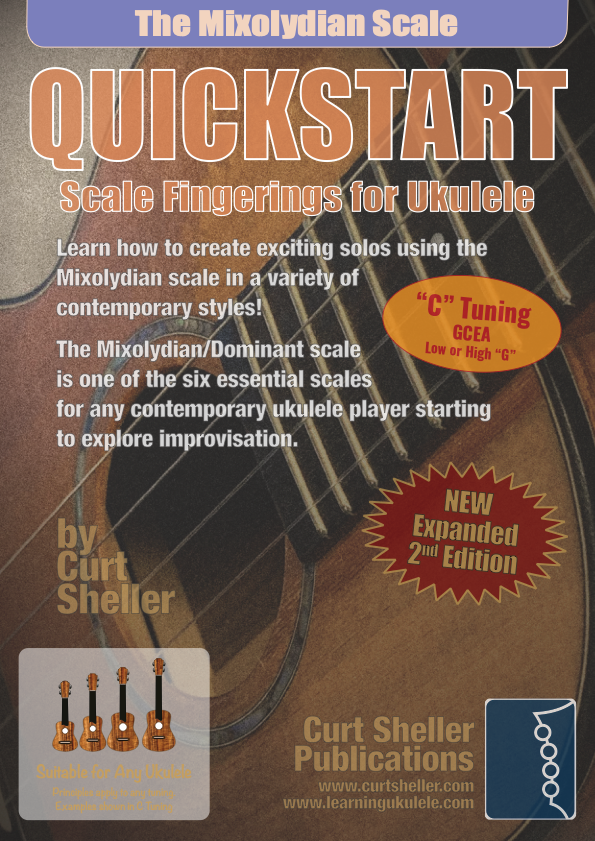
- Mixolydian (Dominant)
- Aeolian (Natural Minor)
- Ionian (Major)
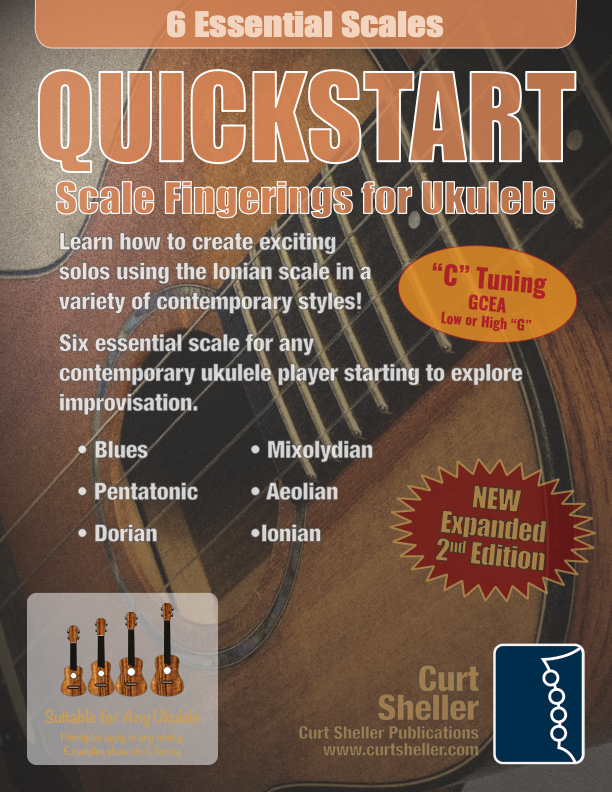
C, G, and D tuning. (QuickStart Scale Fingerings for Ukulele )
- Blues (Minor Pentatonic)
- Pentatonic (Major Pentatonic)
- Dorian (Minor)
- Mixolydian (Dominant)
- Aeolian (Natural Minor)
- Ionian (Major)


Related Lessons, Videos, Lesson Series, Songs, Books & Reference Charts, Resources & Assets, Workshops are below.
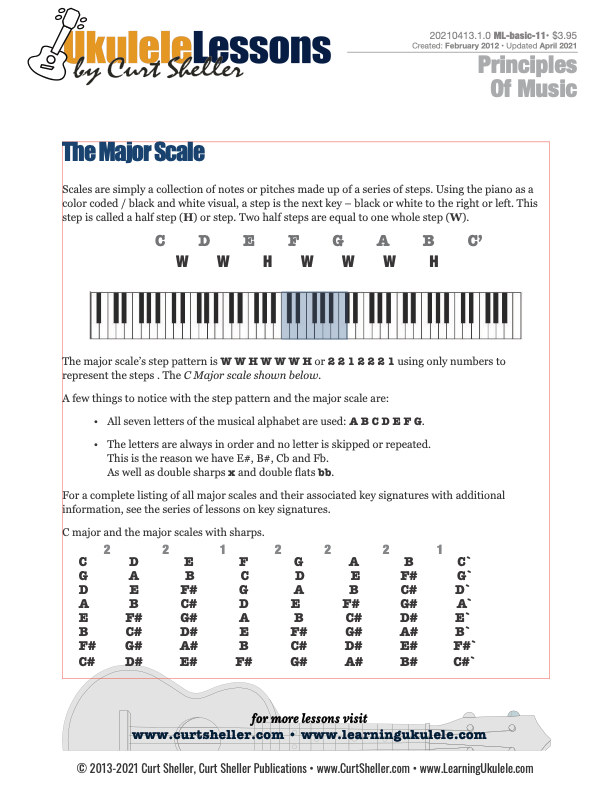
The "Major Scale" or Ionian scale is a diatonic scale, made up of seven distinct notes, plus an eighth which duplicates the first one octave higher. In solfege these notes correspond to the syllables Do, Re, Mi, Fa, Sol, La, Ti/Si, (Do), the Do in the parenthesis at the end being the octave of the root.
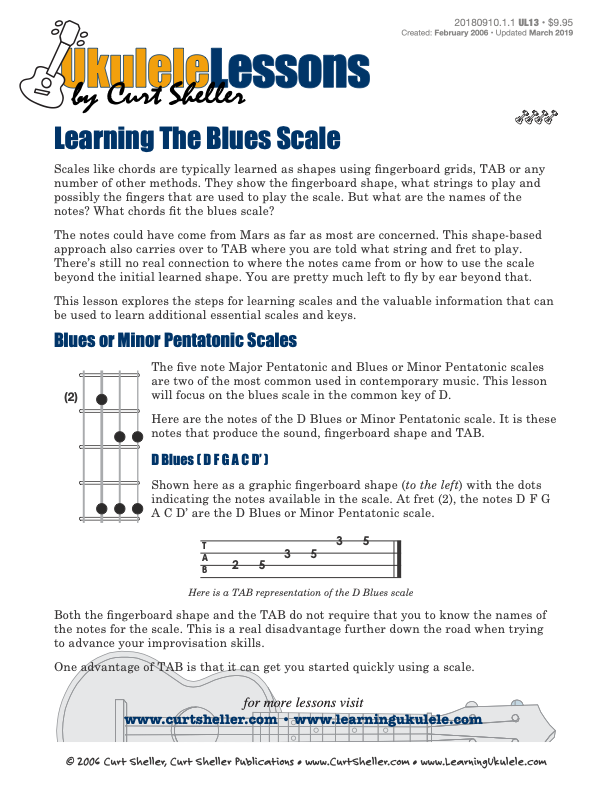
Learn the Blues ( Minor Pentatonic ) and Pentatonic ( Major Pentatonic ) scales on ukulele. A practical approach to learning theses two essential scales using the Blues. These five note scales, the Major Pentatonic and the Blues or Minor Pentatonic scales are two of the most common scales used in contemporary music.
The terms "scale" and "mode" are often used interchangeably, but strictly speaking, there is a significant difference between them in music theory. Although they may share the same set of notes, a scale and a mode or modal scale are not the same thing. It's important to note that a scale and a mode can contain the same notes.
On ukulele there aren't many positions where you can play a one octave scale from the root to octave. An instrument like the guitar with the additional lower strings five and six allows one to play a one octave scale in multiple positions in the basic 4-fret, 4-finger position. On ukulele there might be one or two depending on the scale and the key - and whether your using a low string four tuning. This lesson offers a practical approach to practicing your scales on ukulele.

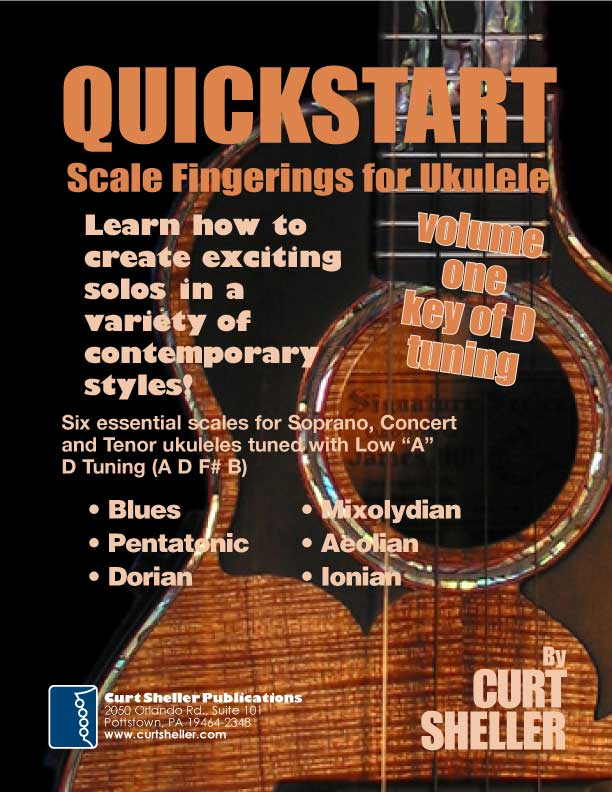
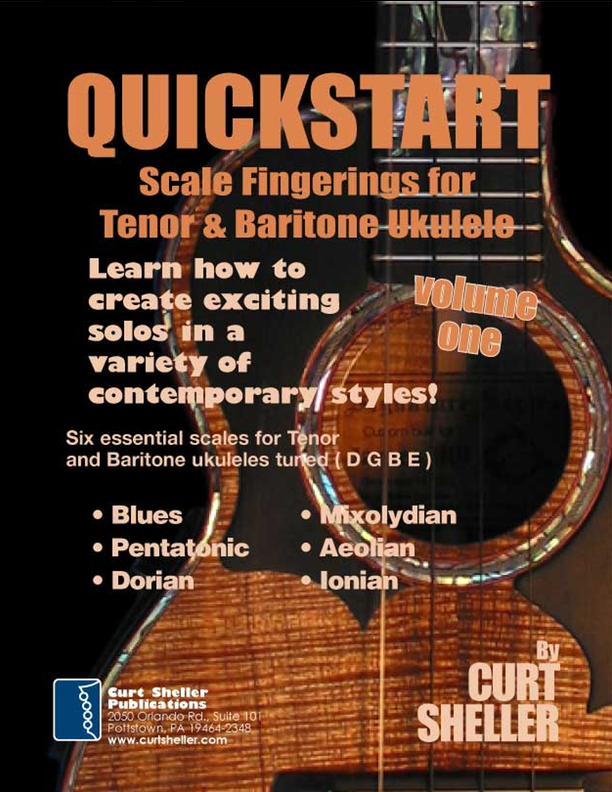
QuickStart Scale and Arpeggio Fingering Series are a concise, well-organized series of books and lessons ideal for any ukulele, guitar or fretted string player beginning to explore scales and arpeggios. Unlike so many other instruction books on the market, QuickStart Scale and Arpeggio Fingering Series keeps a sharp focus on the six critical scales, their fingerings and their related chords. All material is covered in every key.

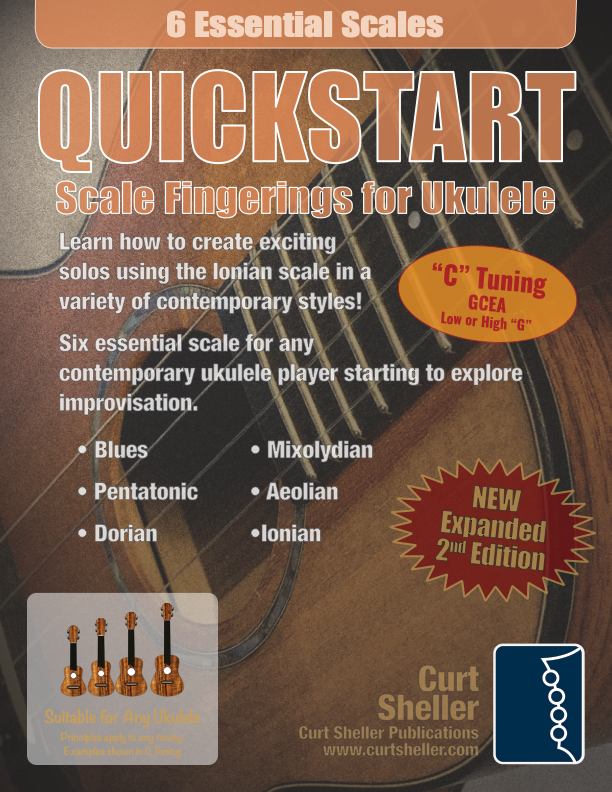
Learn to create exciting solos in a variety of contemporary styles! Scales are used to improvise, create melodies and riffs. With broad knowledge of the essential scales that are used in contemporary music and a mastery of the ukulele's fingerboard and fingering principles, you're well on your way.
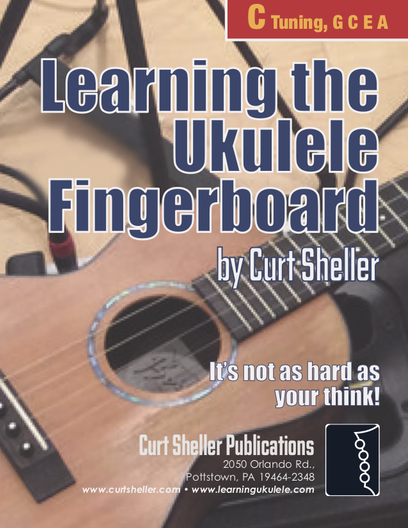
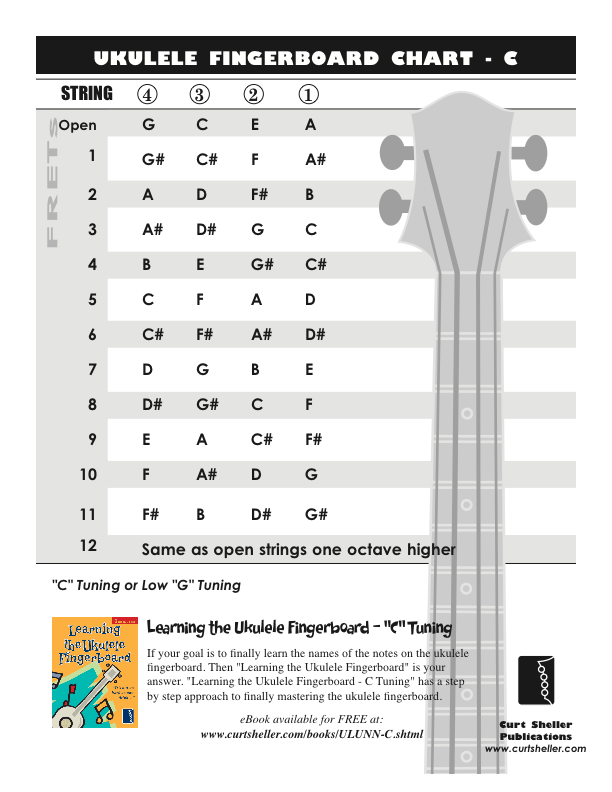
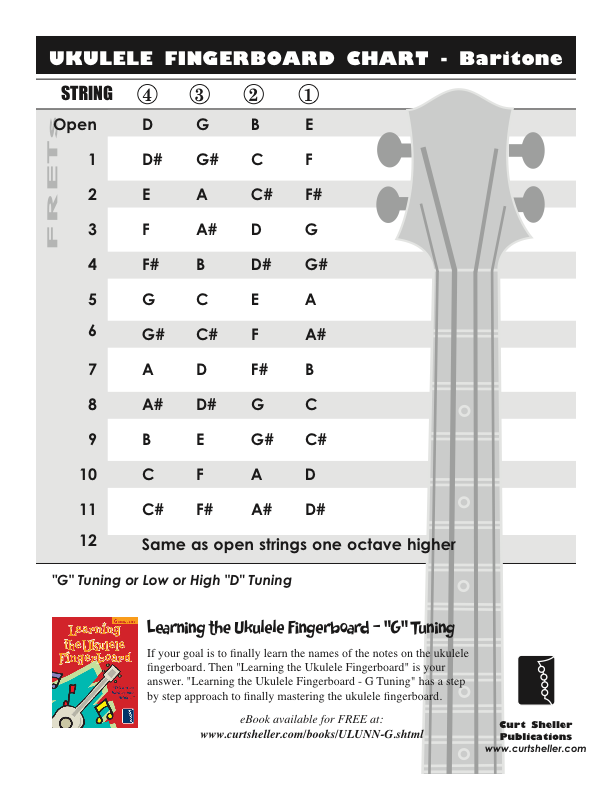
Finally, learn the names of the notes of the fingerboard. Learning the notes of your instrument allows you the flexibility of not having to remember so many shapes. There are simply way too many chords, scale and notes patterns, and shapes to remember. It all comes down the notes.
If your goal is to finally learn the names of the notes on the ukulele fingerboard. Then Learning the Ukulele Fingerboard - D Tuning is your answer. Learning the Ukulele Fingerboard - D Tuning, has a step by step approach to finally mastering the ukulele fingerboard.
If your goal is to finally learn the names of the notes on the ukulele fingerboard. Then Learning the Ukulele Fingerboard - G Tuning is your answer. Learning the Ukulele Fingerboard - G Tuning, has a step by step approach to finally mastering the ukulele fingerboard.
Learn the six fingering principles to navigating the ukulele fingerboard. Fingering is one of the most universal topics. Whether your style is Rock, Blues, Country, Jazz or Classical, these principles will improve your technique, your solos, even your sight reading. Think of fingering as a series of pathways. When you learn to connect these pathways, there are benefits not only to technique but also to creativity.
return in your investment)—it is this— learning the
f*ckingnotes of your OWN instrument. Sorry for the tough talks—but it is sooooo true!